
Food and Beverage Manager Job Description Guide
TL;DR
A food and beverage manager oversees restaurant operations, staff performance, guest experience, inventory, and service standards across front-of-house and back-of-house teams. Strong managers help restaurants improve customer satisfaction, control labor and food costs, and keep daily operations running smoothly during busy service hours.

Helgi
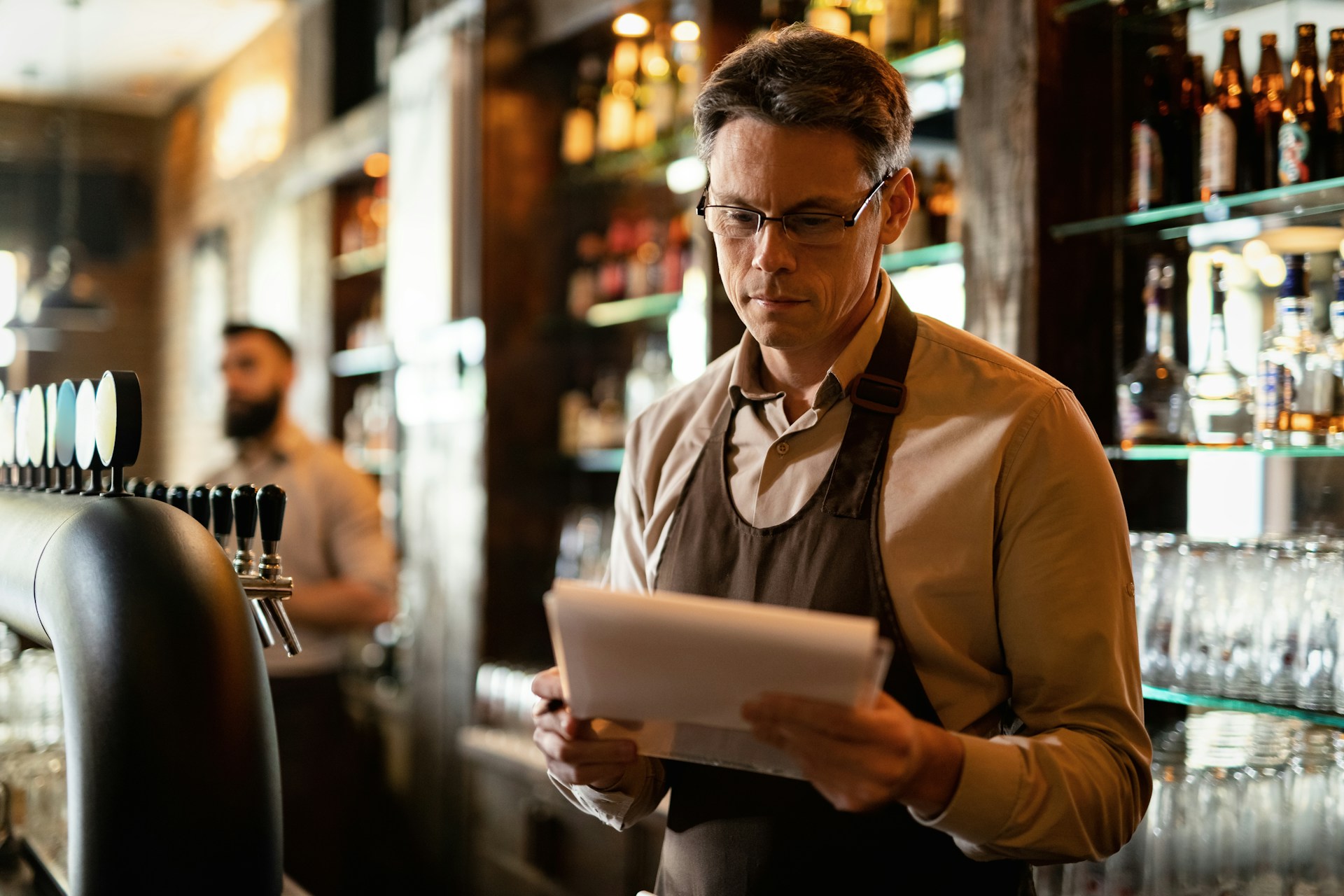


Restaurants depend heavily on consistency, yet maintaining it has become harder across the industry. Rising labor costs and increasing guest expectations are only part of the challenge. For operators looking for solutions to high turnover in restaurants, the food and beverage manager has become the role that brings structure back to daily operations.
This guide explains what the role involves, what skills matter most, and how the position supports stronger restaurant performance. It also covers the key responsibilities, qualifications, and hiring considerations restaurants should understand before bringing a food and beverage manager onto the team. As restaurants continue dealing with tighter margins and frequent staffing changes, hiring the right manager is no longer just an operational decision. It directly affects service consistency, employee retention, and the guest experience.
What Does a Food and Beverage Manager Do?
A food and beverage manager oversees the parts of the restaurant that guests interact with every day. That includes food and beverage service, front-of-house operations, customer experience, and operational consistency during service hours.
In smaller restaurants, one manager may oversee nearly everything happening on the floor. In larger hospitality operations, responsibilities may be divided across department heads, beverage managers, or assistant managers. Either way, the goal stays the same to optimize staffing in restaurants. Keep service organized, maintain quality, and make sure the restaurant runs smoothly during every shift.
Most food and beverage managers work closely with chefs, supervisors, bartenders, servers, and the general manager throughout the day. Responsibilities include solving problems during service, monitoring staff performance, handling guest complaints, and helping teams stay organized during high-pressure hours.
Core responsibilities usually include:
- Managing daily operations
- Supervising front-of-house staff
- Monitoring customer satisfaction
- Maintaining safety and sanitation standards
- Handling inventory and ordering
- Controlling labor and food costs
- Coordinating schedules and staffing
- Improving the dining experience
- Supporting hiring and training
Restaurants rely heavily on strong managers because operational problems spread quickly during busy service periods.

Key Responsibilities of a Food and Beverage Manager
The role combines leadership, operations, staffing, and financial oversight all at once. Strong managers constantly balance service quality with labor costs, customer expectations, and team performance.
Staff Management and Scheduling
Food and beverage managers handle shift scheduling, staff training, onboarding, and performance management. They also step into service when teams fall behind during busy hours. In many restaurants, managers spend part of every shift helping run food, assisting hosts, or supporting bartenders during rush periods.
Leadership skills matter heavily in this role because restaurant teams depend on quick communication during service. Staff usually perform better when managers stay visible, organized, and involved on the floor. Hiring also takes up a large portion of management time. Many operators now use ai tools for generating job descriptions to post open roles faster without spending extra time writing from scratch. A restaurant applicant tracking system can also help organize applications and reduce manual hiring work during high-turnover periods.
Guest Experience and Customer Satisfaction
Guests expect consistency every time they visit a restaurant. They notice slow service, poor communication, incorrect orders, or disorganized staff almost immediately.
Food and beverage managers monitor service quality throughout the shift to protect the dining experience. They respond to complaints, support staff during difficult situations, and help maintain excellent customer service standards even when restaurants become overwhelmed during peak hours.
Strong managers usually focus on:
- Faster ticket times
- Better communication between departments
- Consistent service standards
- Faster issue resolution
- Cleaner dining areas
- Improved guest interactions
Cost Control and Inventory Oversight
Restaurants lose money quickly when inventory is poorly managed. Waste, over-ordering, theft, and inconsistent portioning all affect profitability.
Food and beverage managers monitor inventory levels, vendor relationships, food costs, and beverage usage throughout the operation. Many restaurants also rely on managers to track labor percentages and scheduling efficiency.
Experienced F&B managers understand that profitability often comes down to small operational details repeated consistently every day.
Skills Every Food and Beverage Manager Needs
Restaurant management requires more than customer service experience. Managers handle pressure, staffing issues, operational problems, and financial oversight at the same time during active service.
Leadership Skills
Restaurant teams respond quickly to strong or weak leadership. Managers who communicate clearly and stay calm during difficult shifts usually build stronger teams over time.
Leadership in restaurants often means staying involved directly on the floor instead of managing from an office. Employees notice when managers help solve problems during busy service instead of disappearing during stressful moments.
Strong leadership also affects turnover. Staff members are more likely to stay in restaurants where management provides structure, consistency, and support during difficult shifts.
Communication and Coordination
Restaurants depend heavily on communication between departments. Servers, bartenders, kitchen staff, hosts, and managers all rely on accurate information throughout service.
Food and beverage managers work closely with every department to prevent delays, confusion, and operational breakdowns. Poor communication usually creates larger problems quickly during busy service hours.
Managers regularly coordinate:
- Kitchen timing
- Guest complaints
- Shift coverage
- Staffing adjustments
- Inventory shortages
- Service flow between departments
Operational communication becomes even more important in restaurants managing multiple locations or larger teams.
Financial and Operational Knowledge
Many employers prefer candidates with hospitality management or business administration backgrounds because the role includes budgeting, forecasting, labor planning, and operational reporting.
Managers regularly review:
- Labor percentages
- Sales reports
- Food cost performance
- Beverage cost trends
- Customer feedback
- Staffing productivity
- Scheduling efficiency
Hiring support has also become part of modern restaurant operations. Some restaurants now use an AI job description generator to speed up hiring and reduce the amount of time managers spend creating job postings manually.
Food and Beverage Manager vs General Manager
Restaurant management titles overlap often, especially in smaller operations. Still, food and beverage managers and general managers usually focus on different operational responsibilities.
Food and beverage managers concentrate heavily on service operations, staffing coordination, inventory management, and guest experience. General managers oversee the broader business, including financial performance, long-term staffing strategy, vendor management, and operational oversight across the restaurant.
Smaller restaurants may combine multiple responsibilities into one position, while larger hospitality industry groups divide leadership across separate departments.
How Food and Beverage Managers Improve Profitability
Most guests only notice service quality and food presentation. Restaurant owners usually notice labor costs, waste, inventory shortages, and operational efficiency. Food and beverage managers influence both sides of the business at the same time.
Strong managers help restaurants improve profitability by reducing operational mistakes before they become expensive problems. A few extra labor hours every shift, repeated food waste, or poor scheduling decisions can quietly hurt margins over time.
Managers also help maintain consistency across services. When restaurants operate more efficiently, teams communicate better, guests wait less, and staff turnover often improves because shifts feel more organized.
Areas where managers directly affect profitability include:
- Labor cost management
- Food waste reduction
- Beverage inventory control
- Scheduling efficiency
- Guest retention
- Staff productivity
- Vendor coordination
Multi-location restaurants often depend heavily on experienced managers to standardize operations and maintain consistent service standards across every location.
Common Challenges Food and Beverage Managers Face
The role becomes difficult because restaurant operations constantly change throughout the day. Managers solve staffing issues, guest complaints, inventory shortages, and operational problems in real time while service continues around them.
High Employee Turnover
Turnover remains one of the biggest challenges across the hospitality industry. Restaurants frequently lose servers, bartenders, cooks, and hosts with very little notice.
Managers often end up hiring reactively after employees quit unexpectedly. That creates additional pressure on existing staff while restaurants scramble to fill open shifts quickly.
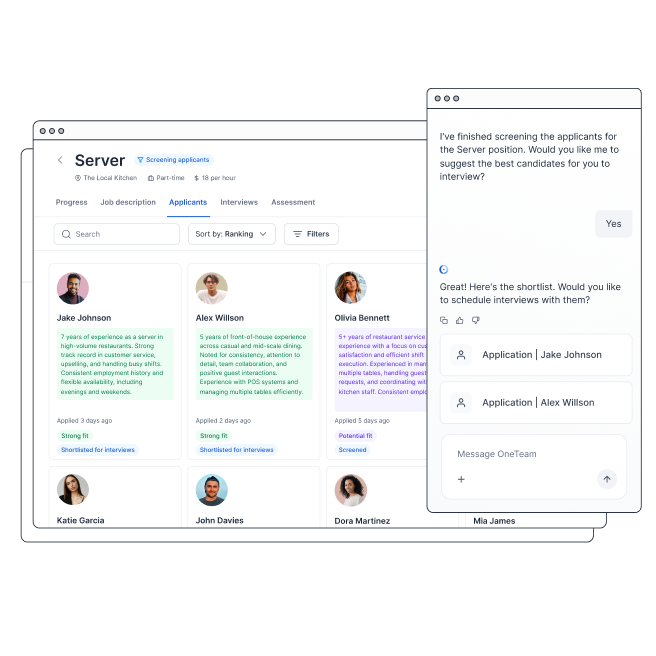
Many operators now use AI candidate screening tools to reduce hiring delays and help managers spend less time reviewing large volumes of applications manually. Restaurants that hire frequently also use platforms like OneTeam to reduce the amount of manual hiring work managers deal with during turnover spikes. Instead of spending hours sorting through resumes and coordinating interviews, managers can move faster on hiring while staying focused on daily restaurant operations.
Maintaining Consistent Service
Consistency becomes difficult when restaurants operate understaffed or rely heavily on new employees during busy periods.
Managers must balance speed, quality, communication, and customer expectations at the same time. Small operational problems can quickly affect the entire dining experience if teams become disorganized during service.
Common operational issues include:
- Slow ticket times
- Miscommunication between staff
- Inventory shortages
- Scheduling gaps
- Delayed table turnover
- Service inconsistency
Experienced managers usually focus heavily on structure and communication because those areas affect nearly every part of restaurant operations.
Food and Beverage Manager Job Description Example
Most restaurants customize management roles based on service style, restaurant size, and operational needs. Still, many job descriptions include similar responsibilities and qualifications.
Sample Responsibilities
- Oversee food and beverage operations
- Supervise front-of-house staff
- Maintain customer satisfaction standards
- Monitor safety and sanitation standards
- Coordinate inventory management
- Support hiring and onboarding
- Handle scheduling and shift coverage
- Resolve guest complaints professionally
- Work closely with kitchen leadership
- Monitor labor and operational costs
Common Qualifications
Restaurants hiring management positions often move slowly because operators already feel overwhelmed balancing hiring with daily operations. Many businesses now combine structured hiring processes with restaurant hiring software to reduce administrative work and speed up staffing decisions.
Career Growth for Food and Beverage Managers
Many food and beverage managers start in hourly restaurant roles before moving into leadership positions. Servers, bartenders, shift leads, and supervisors often transition into management after gaining operational experience on the floor.
Career growth usually depends on operational performance, leadership ability, and team management skills. Managers who consistently improve service standards and maintain organized operations often move into larger hospitality management roles over time.
Some eventually transition into:
- Multi-unit management
- Hotel operations
- Catering services management
- Regional hospitality leadership
- Corporate restaurant operations
Operators building larger teams may also benefit from understanding different positions in restaurant staff, so management responsibilities stay clearly organized across departments.
In competitive markets like New York, some businesses also partner with a restaurant staffing agency in NYC when urgent management or hospitality hiring needs appear.
Why Strong Food and Beverage Managers Matter
A strong food and beverage manager helps stabilize operations when restaurants become stretched thin. They improve communication, maintain service standards, support employees, and keep operations moving efficiently during difficult shifts.
For many operators, management hiring has become one of the most important long-term business decisions they make. OneTeam helps restaurants simplify hiring, reduce manual work, and move faster when staffing gaps appear. Instead of getting buried under resumes and interview coordination, restaurant teams can spend more time focused on service, staff support, and running stronger operations every day.
FAQ


No setup fees.
No long-term commitment.
Create your account and start hiring.
