
A Guide to the Restaurant Staff Positions
TL;DR
A restaurant runs on two teams. The front-of-house team handles guests through hosts, servers, bartenders, and bussers. The back-of-house team handles food through chefs, cooks, and dishwashers. Knowing each role helps you hire strategically, reduce turnover, and keep operations running smoothly.

Helgi


Running a restaurant in New York means handling service, suppliers, and staff issues all at once. You're on the floor during dinner rush when someone doesn't show up. Now you need to cover that role fast.
Knowing every position in the restaurant staff helps you avoid reactive hiring. Each role keeps your operations running smoothly from open to close. This guide covers front-of-house and back-of-house positions, so you know exactly who does what and can count on them.
The Backbone of a Restaurant
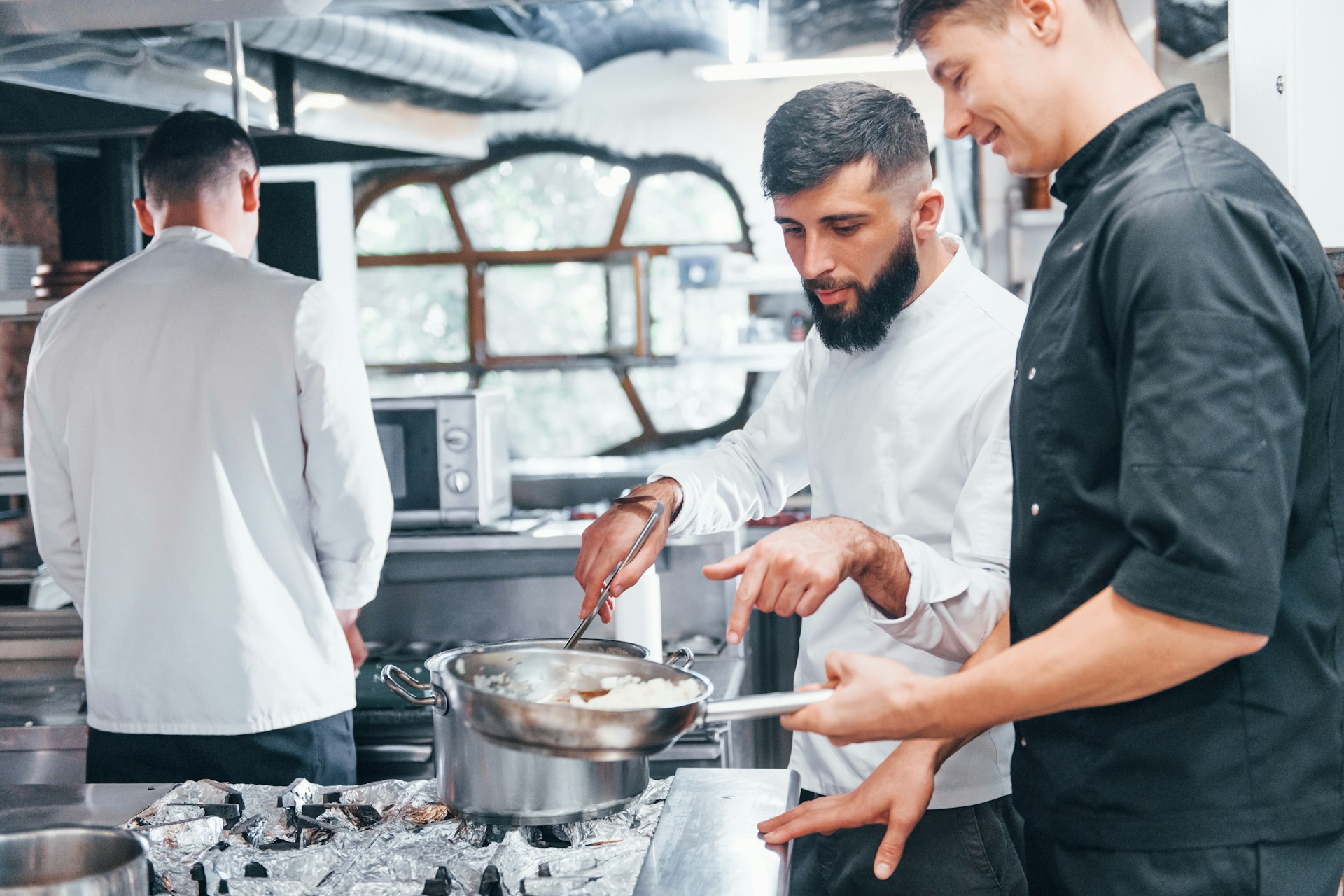
Your restaurant runs on two main areas: front-of-house and back-of-house. Front-of-house means the dining room team. Hosts, servers, bartenders, and bussers all work directly with guests. Back-of-house is where the kitchen team works, including chefs, line cooks, dishwashers, and prep staff.
Both areas must coordinate for smooth day to day operations. When the kitchen runs behind, servers deal with upset guests. When hosts oversell tables, cooks get slammed with orders. Strong communication between house and back of house keeps service on track.
Here's how they work together:
- Servers relay customer orders clearly to the kitchen
- Cooks time dishes, so tables get food together
- Bussers reset tables fast so hosts can seat the next party
When both teams stay in sync, guests leave happy, and your staff goes home on time.
Front-of-House Staff
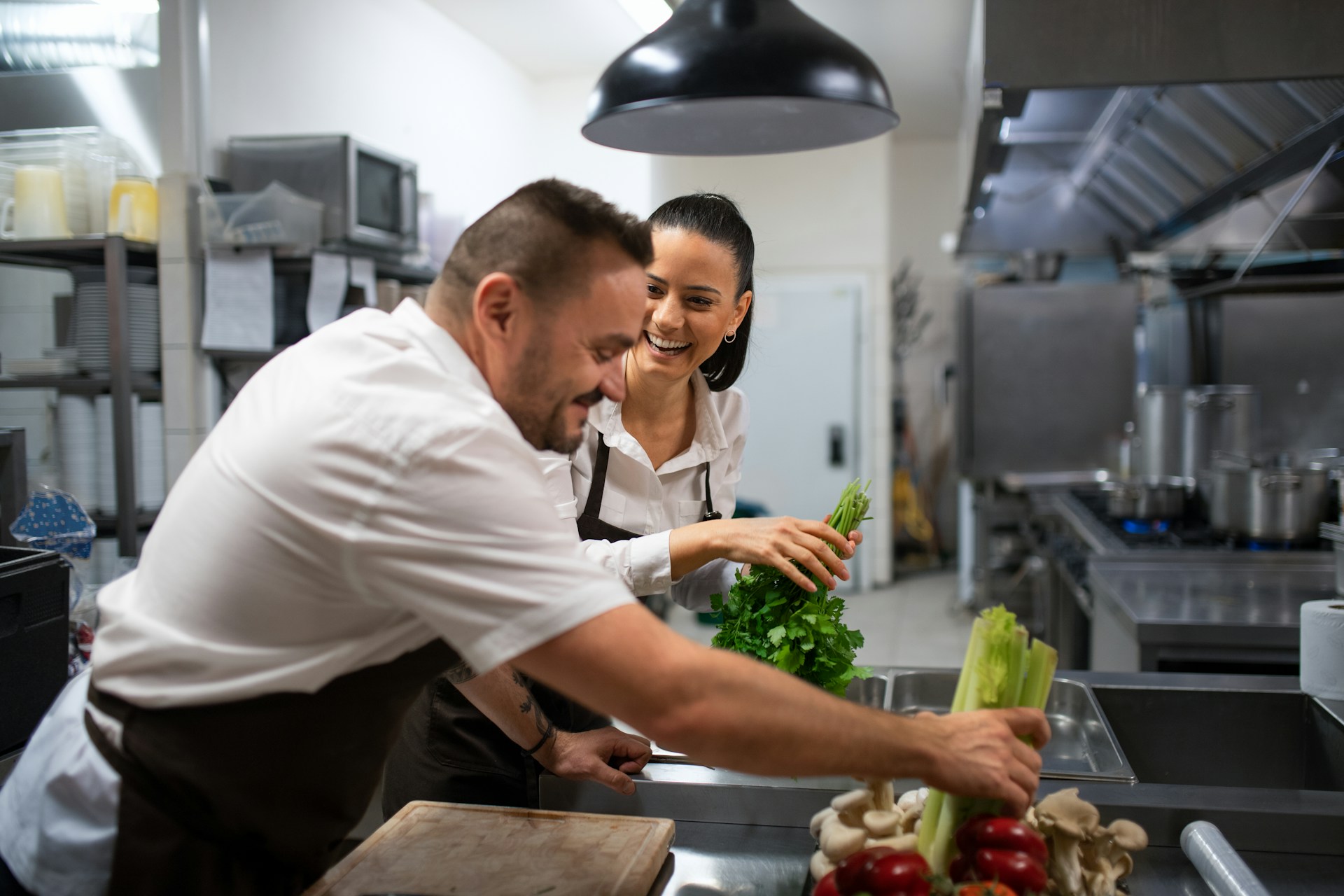
Your front-of-house team handles every customer interaction from the moment someone walks in. These positions in restaurant staff directly impact whether people return or leave bad reviews. When your FOH runs well, tables turn faster, and revenue goes up.
Host or hostess
The host controls the flow of your floor. Their responsibilities include greeting customers, managing reservations, and answering phone calls throughout service. They pace seating so the kitchen doesn't get slammed all at once.
Hosts also run waitlists on busy nights and handle walk-ins when you're fully booked. When hosts fall behind, servers and cooks feel it within minutes.
Server
Servers connect with customers throughout the entire meal. They greet tables, take customer orders, deliver food, and handle special requests. The best servers move people through efficiently while keeping them happy enough to return.
In casual restaurants, speed matters most. In a fine dining restaurant, menu knowledge and service style matter more. Servers also upsell appetizers and drinks, check on tables without interrupting, clean sections between parties, and send kitchen modifications clearly.
Bartender
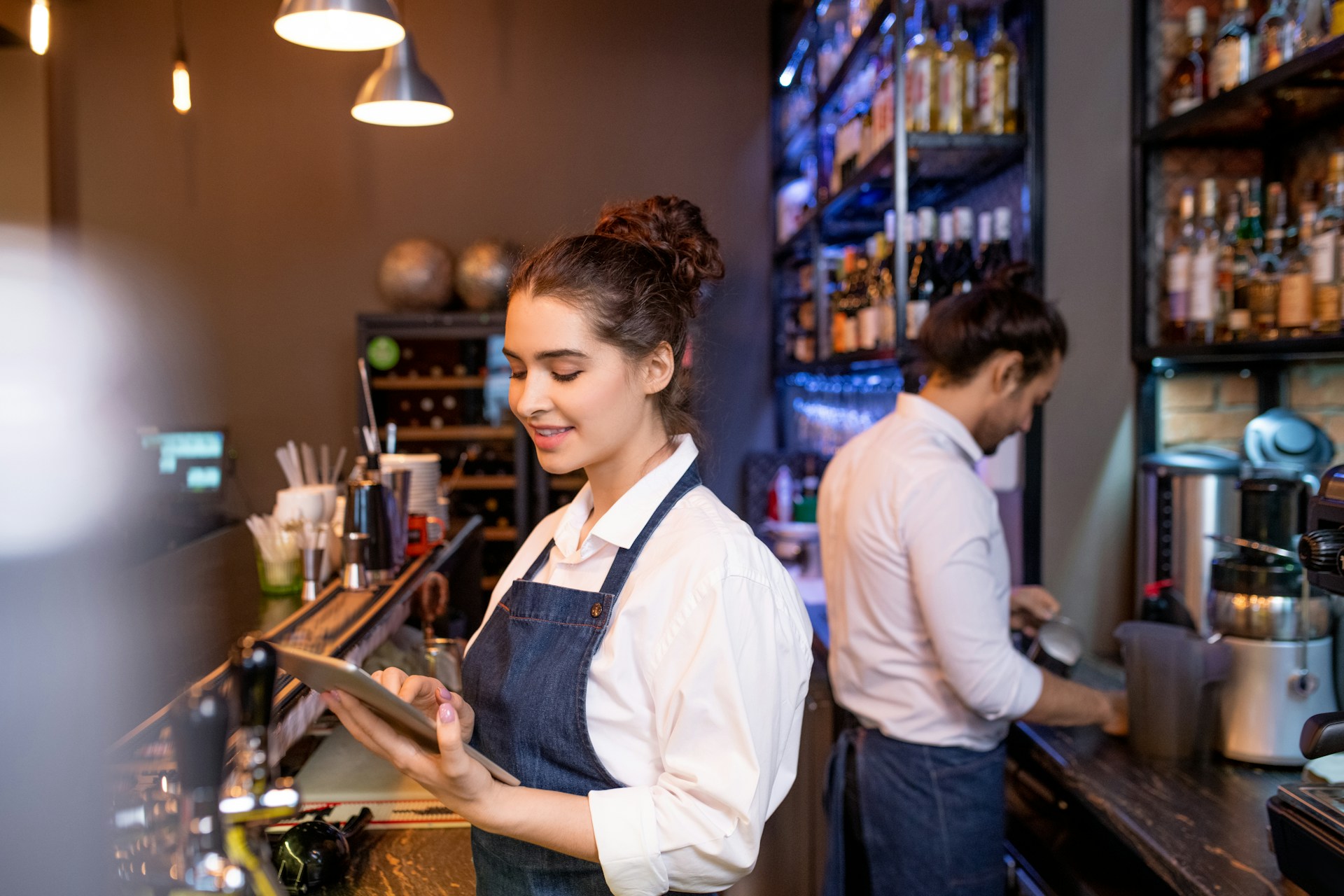
Bartenders run the bar from setup to close. Their responsibilities include mixing drinks, tracking inventory, and serving customers at the bar. They work quickly and efficiently when it's packed while keeping the area clean and stocked.
Experienced bartenders know the menu and recommend pairings. In many spots, the bar brings in as much money as the dining room on weekend nights.
Busser or food runner
Bussers maintain a clean and organized dining room throughout service. They clear plates, reset sections so servers can seat the next party right away, and food runners bring dishes from the kitchen while everything's still hot.
Fast bussers mean servers can handle more tables per shift. Food runners who talk with the kitchen catch mistakes before they reach customers.
Back-of-House Staff
Your back-of-house team makes everything on your menu happen. These positions in restaurant staff work behind the scenes but control food quality, speed, and consistency. When you fill these roles with people who stay, service runs smoothly and dishes come out right.
General manager
The general manager runs your operation from the dining room to the dish pit. They handle restaurant management like scheduling, ordering, budgets, and customer issues. A dependable GM lets you focus on growth while they handle daily operations.
They also hire and train new people, which matters when dealing with constant turnover. The GM connects the front and back of the house so both teams communicate clearly during busy shifts.
Sous chef
The sous chef leads the line and manages kitchen staff when the executive chef steps away. They call tickets, oversee prep schedules, and ensure every plate meets your standards. During rush, the sous chef prevents backups and keeps stations moving.
They also train new cooks and prepare food when you're short staffed. This role maintains consistency across different shifts and locations.
Prep cook
Prep cooks handle the foundation work before service begins. They chop vegetables, portion proteins, make sauces, and set up components the line needs. Without solid prep work, stations fall apart by dinner rush.
Strong prep cooks follow recipes exactly and work cleanly. They finish on time so the line can start service ready.
Line cook
Line cooks run the stations during service. They cook proteins, plate dishes, and fire orders based on tickets from the pass. One slow cook backs up everything during peak hours.
They follow recipes for consistency, time courses with other stations, and stay organized while cooking. Finding reliable line cooks is one of your biggest hiring challenges right now.
Executive chef
The executive chef controls back of house operations completely. They build menus, order ingredients, train staff, and ensure compliance with health and safety rules. In fine dining establishments, the chef's reputation shapes how customers see your restaurant.
This role needs years of experience and creative vision. Losing an executive chef affects everything from costs to morale.
Pastry chef
The pastry chef handles all desserts and baked goods in your restaurant. They develop dessert menus and manage pastry inventory separately from the main line. In a fine dining establishment, memorable desserts give guests a final impression that brings them back.
Pastry chefs work different hours and need specialized skills that take time to replace.

Specialized and Management Positions
As your restaurant grows, you need people who can run specific parts of the business. These roles free you up to focus on expansion and strategy instead of being on the floor every shift. They're essential when you're operating multiple locations across the city.
Assistant manager
The assistant manager supports the general manager with restaurant management tasks throughout the week. They run shifts when the GM is at another location, create staff schedules, and resolve customer complaints on the spot. This position provides leadership coverage across different service times.
Assistant managers also onboard new hires and monitor service standards during their shifts. They spot issues early and fix them before service falls apart. With a solid assistant manager at each spot, you don't need to be everywhere at once.
Food and beverage manager
The food and beverage manager oversees your entire menu and bar program. They track inventory, build vendor relationships, and maintain quality across all your restaurants. They also create seasonal offerings and adjust menus based on sales data.
This person watches food and liquor costs closely to prevent waste. They coordinate between servers and kitchen staff to align everyone on recipes, presentation, and service standards. When one person owns the entire F&B program, consistency improves across locations.
Kitchen manager
The kitchen manager runs back-of-house day to day operations from open to close. They order inventory, schedule kitchen staff, and ensure stations stay organized and stocked. During service, they monitor ticket times and push the line to maintain speed.
They also control food costs by tracking waste and checking portion sizes regularly. Kitchen managers handle health inspections and coordinate equipment repairs. This role matters most when you need someone focused solely on productivity and profitability in the back of house.
Additional Key Roles in a Restaurant
Your restaurant relies on support positions that work behind the scenes every shift. These roles keep operations running smoothly and let other team members focus on their core work.
Dishwashers
Dishwashers maintain a clean and organized dish pit throughout service. They wash plates, glasses, and utensils so servers can reset tables fast. Without a solid dishwasher, servers run out of plates and cooks lose time waiting for clean equipment.
Delivery drivers
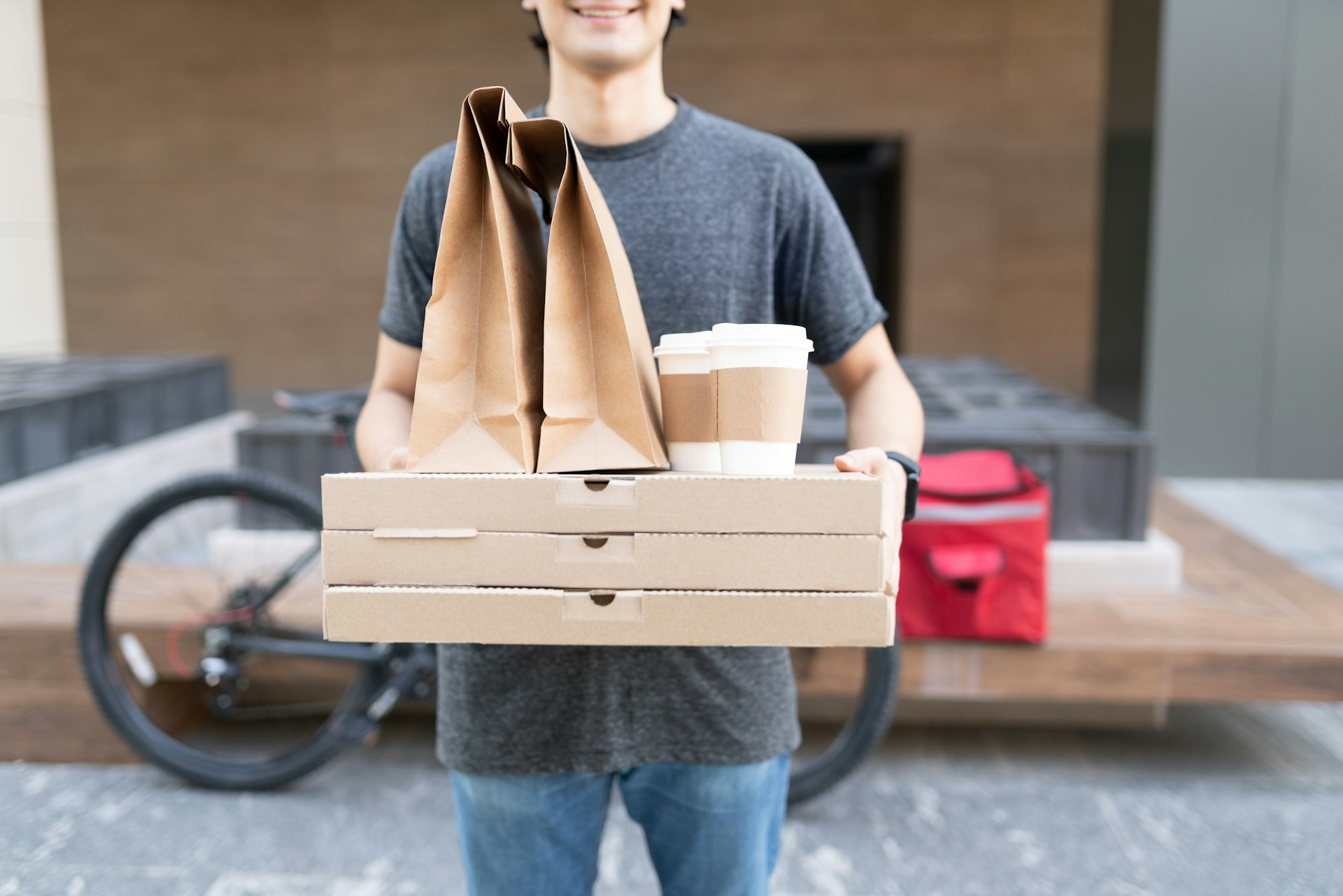
Delivery drivers are the face of your restaurant for takeout customers. They pick up orders, check accuracy, and get food delivered hot. In New York where delivery accounts for major revenue, each interaction builds or damages customer loyalty.
Stockers
Stockers keep your inventory organized and accessible. They receive deliveries, check shipments for accuracy, and rotate stock to prevent spoilage. Organized stockers prevent the last-minute shortages that force expensive emergency orders mid-service
Making Smart Hiring Decisions
Knowing every position in restaurant staff helps you hire with a plan instead of scrambling every time someone quits. When you understand what each role does and how they connect, you build teams that work well together and stick around. Clear expectations also speed up hiring because you know exactly what to look for.
AI candidate screening can help managers compare applicants against role requirements, availability, and experience before moving the best-fit candidates forward. The right ai hiring software can also help managers screen candidates faster, organize applicants by role, and keep the hiring process moving when multiple positions need to be filled.
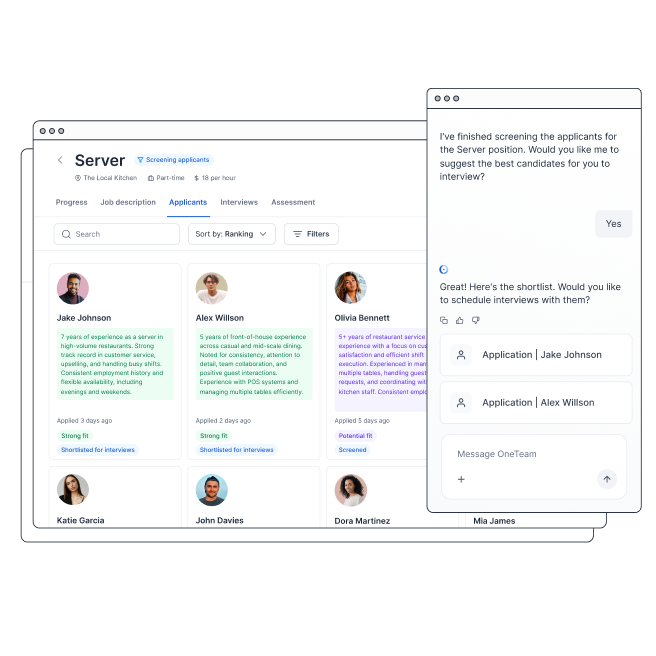
Running multiple New York locations requires managers who can handle their shifts independently. The right structure and tools keep everyone aligned without constant check-ins. That's where OneTeam's AI hiring assistant comes in. When your team knows their roles and has the right support behind them, you get back to the floor and focus on growth instead of playing HR manager every week.
FAQ

No setup fees.
No long-term commitment.
Create your account and start hiring.
