
Understanding Restaurant Staff Turnover and Solutions
TL;DR
Restaurant staff turnover affects far more than hiring metrics. It creates ongoing operational disruption that impacts service quality, team stability, training, and profitability. Learn ways restaurants can reduce turnover through clearer hiring processes, better communication, structured onboarding, and more stable day-to-day operations.

Lyuba



Restaurant staff turnover is usually tracked as a percentage, but in practice, it functions as a system-level issue that shapes how the entire operation runs.
A team member quits mid-week, and the entire shift has to adjust. That’s how restaurant staff turnover shows up in real life.
Restaurant managers don’t experience turnover through reports. They experience it through disruption. When this happens repeatedly, high employee turnover rates stop being an exception and start shaping how the restaurant runs.
Across the restaurant industry, turnover is driven by a mix of competitive compensation, work-life balance, and work environment pressures. But the deeper issue is how hiring and retention are structured. When roles are filled quickly without alignment, turnover becomes built into the system.
Understanding restaurant staff turnover means looking beyond why restaurant workers leave and focusing on how restaurant operators can create more stable teams. This article explores both the causes and the solutions, with a focus on reducing turnover in a way that supports long-term employee retention.
What Restaurant Staff Turnover Looks Like on the Floor
Restaurant staff turnover isn’t just a number tied to restaurant employee turnover rates. It shows up in how the shift runs.
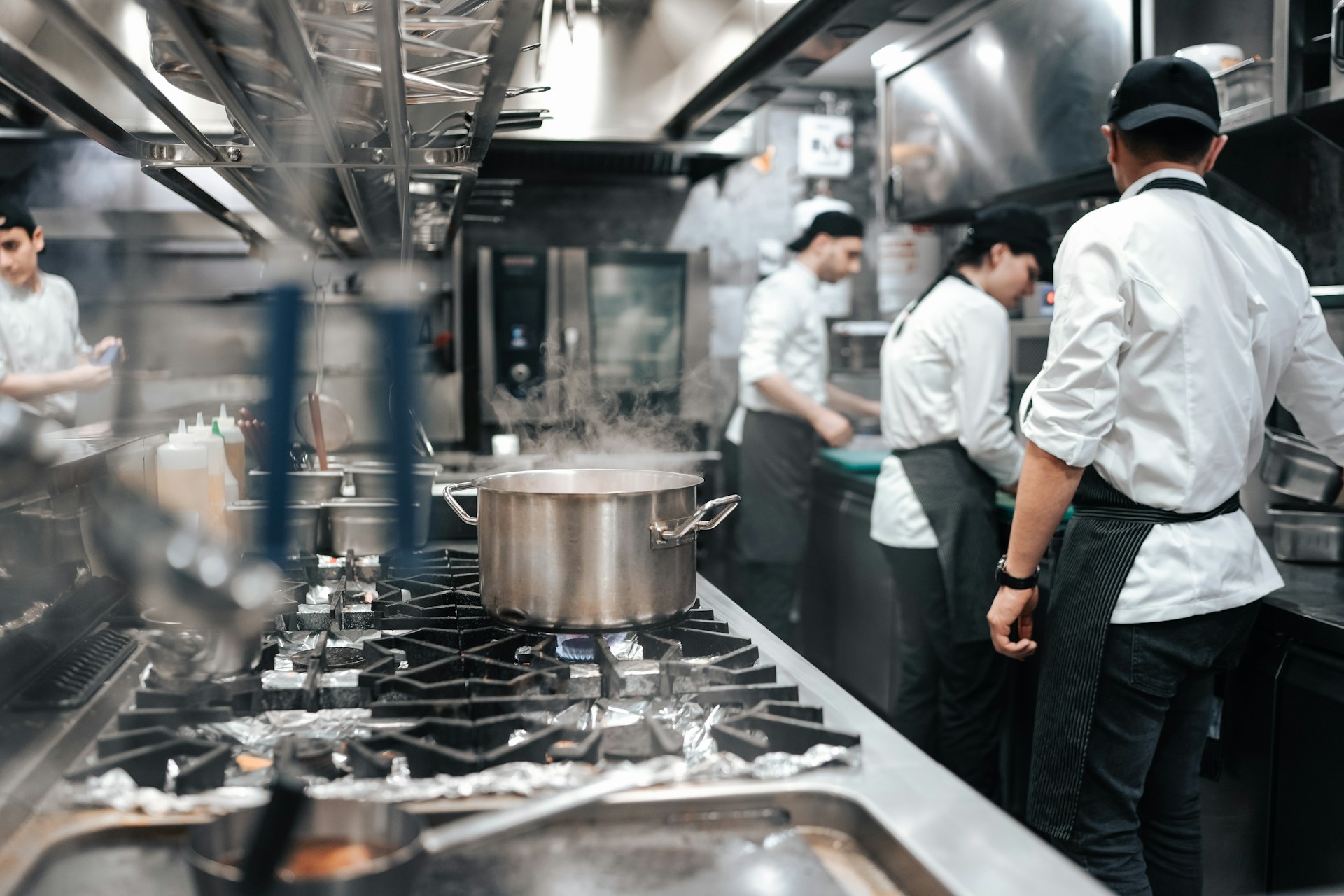
A new hire is still learning the menu while service is already moving fast. A more experienced team member is covering extra tables. Communication gets tighter, and mistakes happen more easily. The team adjusts, but it never quite settles.
High employee turnover rates create constant reset points. Instead of building momentum, the team keeps starting over. For restaurant managers, that means:
- More time spent hiring and training
- Less consistency across shifts
- More pressure on front-of-house and back-of-house teams
- Less time focused on improving operations
Over time, this becomes the baseline. The restaurant runs, but it rarely runs at its best.

The Real Cost of Restaurant Staff Turnover
Turnover is often framed as a hiring issue. The larger impact shows up in day-to-day operations and the bottom line. Each time a team member leaves, there’s a gap between replacement and productivity. During that time:
- Service slows down
- Errors increase
- Team coordination breaks down
For full-service restaurants, even small disruptions affect the guest experience. In service restaurants with tighter margins, those disruptions add up quickly.
There’s also the cost of time spent by managers. Reviewing applications, scheduling interviews, and onboarding new hires all take attention away from running the floor. Individually, these costs seem manageable. Over time, they compound into a consistent drag on performance.
Why Restaurant Staff Turnover Happens
Turnover is rarely caused by one issue. It builds from a combination of pressures that are common across the restaurant industry.
1. Competitive Compensation
Restaurant workers are highly aware of what other restaurants are offering. If compensation doesn’t align with the market, movement is constant. Even small differences in pay or tips can lead to higher restaurant staff turnover, especially in competitive markets like NYC.
2. Work Life Balance
Restaurant schedules are demanding. Nights, weekends, and long shifts make work-life balance difficult to maintain. Over time, that pressure leads to burnout. When employees start looking for alternatives, they often leave quickly.
3. Work Environment
The work environment plays a major role in employee retention. Clear communication, support during busy shifts, and consistent expectations all affect whether someone stays. When those are missing, turnover increases regardless of compensation.
4. Lack of Structured Onboarding
Many restaurants rely on informal training. Shadowing and learning during service can work, but it often leaves gaps. Without structured onboarding:
- Expectations remain unclear
- Confidence takes longer to build
- Early turnover becomes more likely
The first few weeks often determine whether a new hire stays or leaves.

Reducing Restaurant Staff Turnover Starts with Hiring
Most retention strategies focus on what happens after someone is hired. In practice, reducing turnover often starts earlier. When hiring is rushed, misalignment is common.
- Candidates accept roles they don’t fully understand
- Managers hire quickly without a full context
- Early turnover increases
Reducing restaurant staff turnover means improving how roles are defined and communicated before someone ever starts.
Practical Ways to Reduce Turnover
Improving employee retention doesn’t require a full overhaul. It comes from tightening how the restaurant operates day to day.
1. Set Clear Expectations Early
Clarity reduces friction. When responsibilities, schedules, and expectations are clear from the start, candidates can decide whether the role fits before accepting. This reduces early exits.
2. Stabilize the Work Environment
Consistency matters. Predictable schedules, clear communication, and a reliable team structure reduce stress and improve retention over time.
3. Improve Communication During Service
During a rush, communication directly affects the work environment. Clear direction and quick feedback reduce confusion and help the team stay aligned.
4. Use Systems That Reduce Hiring Friction
High turnover often leads to reactive hiring. That’s where breakdowns happen. Restaurant hiring software helps bring structure to the process. Instead of restarting each time someone leaves, managers can keep hiring organized and consistent.
Tools like OneTeam fit into this by handling repetitive tasks like screening and interview scheduling, allowing managers to focus on choosing the right candidates without slowing down operations.
The Link Between Hiring and Retention
Hiring and retention are closely connected, even though they’re often treated separately.
When hiring is rushed:
- Expectations are unclear
- Candidates are misaligned
- Turnover increases early
When hiring is structured:
- Roles are clearly defined
- Candidates understand the job
- Teams become more stable
This is where an AI hiring assistant supports the process. It doesn’t replace decision-making. It reduces the friction that leads to inconsistent hiring.
What Changes When Turnover Is Reduced
When turnover stabilizes, the difference is immediate.
- Service becomes more consistent
- Training becomes more effective
- Teams operate with more confidence
- Managers spend less time hiring
Over time, these changes build on each other. The work environment becomes more stable, employee retention improves, and the operation runs with less friction.
The goal isn’t to eliminate turnover. It’s to reduce how often it disrupts the operation and pulls the team out of sync.
Restaurant Staff Turnover Rates: What’s Normal vs Problematic
Restaurant employee turnover rates are among the highest of any industry. For hourly employees, it’s common to see turnover exceed most other sectors. But for restaurant operators, the real question isn’t what the average is. It’s whether your turnover is creating instability.
Turnover becomes a problem when:
- You’re constantly hiring for the same roles
- New hires leave within the first few weeks
- Training never fully slows down
- The team never settles into a rhythm
Understanding restaurant industry turnover rates gives context, but what matters more is how often turnover disrupts your operation.
How to Measure Restaurant Staff Turnover
Most restaurant managers don’t track turnover formally, but having a simple way to measure it helps identify patterns.
The basic approach is straightforward. Look at how many employees leave over a set period compared to your total team size. You don’t need complex tools to start. Even a simple monthly check can show:
- Which roles have the highest turnover
- How long employees typically stay
- Whether changes are improving retention
For a more structured approach, many operators look into how to Calculate Employee Turnover Rate so they can track trends over time and make more informed decisions.

Early Signs Your Turnover Is About to Increase
Turnover rarely spikes overnight. There are usually early signs on the floor. Restaurant managers often see it before it shows up in numbers:
- More shift swaps and last-minute call-outs
- Lower engagement during service
- New hires are struggling to integrate with the team
- Increased tension between front of house and back of house
These signals often point to deeper issues in the work environment or expectations. Catching them early makes reducing turnover much easier.
How Restaurant Staff Turnover Impacts the Bottom Line
Turnover doesn’t show up as a single expense, but it affects multiple parts of the business at once. Every time an employee leaves, there are hidden costs:
- Time spent hiring and onboarding
- Reduced productivity during training
- Mistakes that affect service quality
- Increased pressure on experienced staff
In full-service restaurants, these issues directly affect guest experience and repeat business. In service restaurants with tighter margins, even small inefficiencies add up quickly.
Stabilizing Turnover Starts with Changing the System
Restaurant staff turnover isn’t something most operators can eliminate. But it is something they can control.
The difference comes from how the operation is structured. When hiring stays reactive, turnover keeps repeating. When expectations are unclear, new hires don’t last. When the work environment isn’t stable, even strong employees leave.
Reducing turnover doesn’t come from one fix. It comes from tightening the system around how people are hired, trained, and supported on the floor.
For restaurant managers, that shift is practical. It means clearer roles, better alignment during hiring, and fewer gaps between when someone leaves and when the right replacement steps in. It also means spending less time restarting the process and more time building a team that can actually hold together during a busy service.
Turnover may always be part of the restaurant industry. But when it stops disrupting the operation, everything else becomes easier to manage.
FAQ


No setup fees.
No long-term commitment.
Create your account and start hiring.
