
Top Methods to Optimize Staffing in Restaurants
TL;DR
Restaurant staffing problems are rarely caused by a lack of people. More often, they come from disconnected scheduling, poor shift coordination, and reactive hiring. Learn to optimize staffing by building schedules around real demand, separating coverage from true team capacity, cross-training staff, improving shift flexibility, and balancing front-of-house with kitchen operations.

Helgi



Restaurant staffing is often treated as a numbers problem. The assumption is simple: more staff equals better service.
In practice, the opposite often happens. Restaurants increase headcount but still struggle during peak hours:
- Labor costs rise
- The dining experience becomes less predictable
- Teams feel overextended in some shifts and underutilized in others
The problem isn’t just restaurant staffing levels. It’s how staffing connects to daily operations. Most restaurants have people. What they lack is a system that connects scheduling, team structure, and real-time demand.
The top methods to optimize staffing in restaurants address that gap directly, focusing on how work gets done on the floor rather than how many people are on the schedule.
Staffing Fails at the Scheduling Layer, Not the Hiring Layer
Most staffing issues can be traced back to how schedules are built. In many restaurants, schedules follow a fixed template. The same number of servers is scheduled every Friday. The same kitchen coverage repeats week after week. This approach assumes demand is stable. It isn’t.
Demand shifts constantly. Weather, events, reservations, and even neighborhood traffic patterns affect volume. When schedules don’t adjust, two things happen. Restaurants either overstaff and inflate labor costs, or understaff and degrade service quality.
Strong operators treat scheduling as a weekly decision, not a routine task. They look at:
- Sales by hour, not just by day
- Reservation patterns and walk-in trends
- Peak pressure points, not average volume
This is where restaurant operations and restaurant staffing intersect. Scheduling is not administrative work. It is a core operating decision that directly shapes the dining experience.
Separate Coverage from Capacity
Many managers schedule based on coverage. They ask, “Do I have enough people on the floor?”
That question is incomplete. The better question is, “Can this team handle peak demand without breaking service?” Coverage counts bodies. Capacity measures output. For example:
- 6 staff scheduled, mixed experience → fully covered on paper, but service becomes inconsistent during peak hours
- 5 well-coordinated team members → lean coverage, but service stays stable and efficient
Capacity depends on how the team performs together during the rush. It is not just about individual skill. It is about how the group functions as a unit.
Restaurants that optimize staffing focus on building teams that can absorb pressure during the rush. This reduces the need to overstaff as a safety net and helps control labor costs without sacrificing customer service.
Cross-Training Is a Structural Advantage, Not a Backup Plan
Most restaurants treat cross-training as optional. It is usually done informally, and only when needed. That limits its impact.
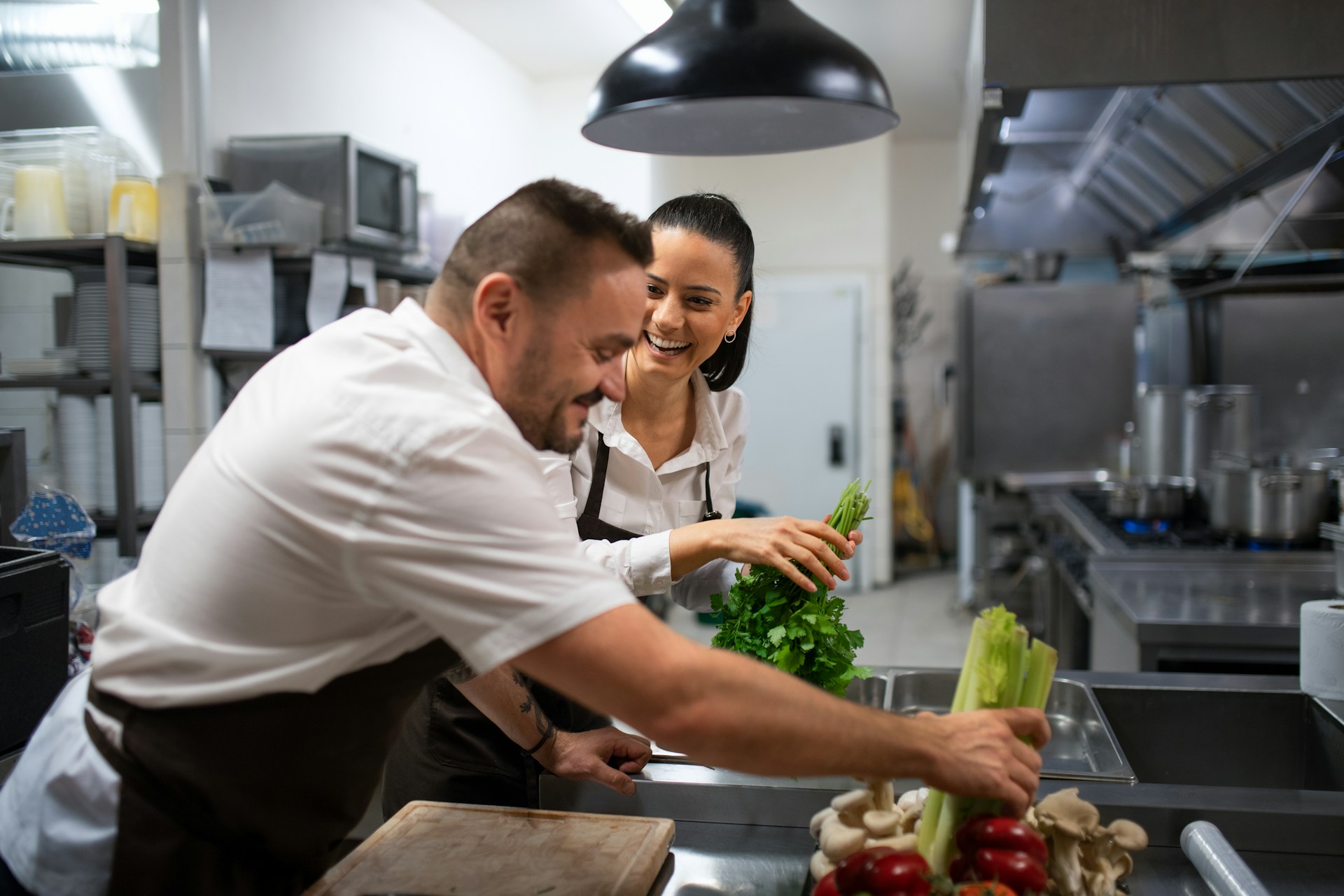
When cross-training is intentional, it changes how the entire shift operates. It allows the team to redistribute workload in real time instead of waiting for a manager to step in. Effective cross-training focuses on adjacent roles:
- Front-of-house staff who can run food or support hosting
- Servers who can handle basic bar service during slow periods
- Kitchen staff trained across multiple stations
This flexibility matters most during unpredictable moments. A delayed delivery, a sudden rush, or a no-show no longer disrupts the entire shift.
It also contributes to reducing turnover. Team members feel more capable and less overwhelmed, which improves work-life balance and retention over time.
Flexible Scheduling Reduces Friction That Drives Turnover
Turnover is often framed as a hiring issue, but in reality, scheduling friction is one of the biggest drivers behind it.
Rigid schedules create small problems that build over time. That friction usually shows up as:
- Last-minute call-outs
- Increased no-shows
- Lower engagement from team members
Flexible scheduling, when done right, reduces that pressure without losing structure. It gives teams room to adjust while keeping operations stable. Key practices include:
- Publishing schedules earlier in the week
- Allowing controlled shift swaps
- Keeping consistent shift patterns where possible
The goal is not to remove structure. It’s to make the system easier to work within.
Pre-Shift Meetings Are Operational Alignment Tools
Pre-shift meetings are often underused. In many restaurants, they become routine updates. Menu changes, reminders, and quick notes. Useful, but limited.
Used correctly, they act as alignment tools before service begins. A strong pre-shift meeting focuses on execution:
- Where will the pressure points be tonight?
- Which sections need stronger coverage?
- Are there any staffing gaps that need to be managed differently?
This is where managers set expectations for how the team will handle the shift.
It reduces confusion during service and improves coordination between the different positions in your restaurant.. That directly impacts service quality without adding more people to the schedule.
Balance Between Front-of-House and Kitchen Staff Drives Service Quality
Staffing decisions often focus on one side of the operation at a time. Either the floor or the kitchen.
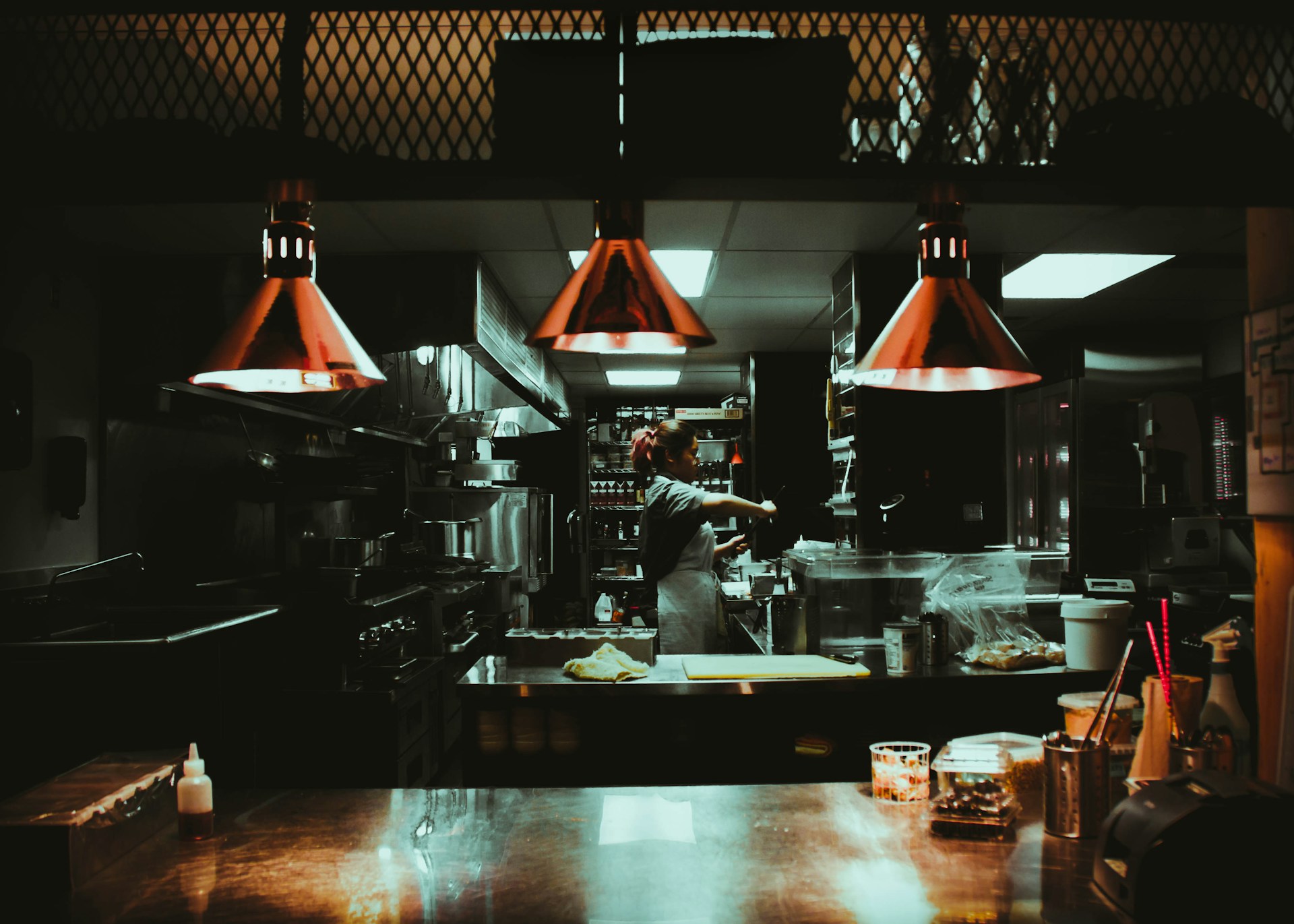
The guest experience depends on how both sides perform together. A fully staffed dining room cannot compensate for a slow kitchen. At the same time, a strong kitchen cannot maintain flow if service breaks down on the floor.
Signs of imbalance include:
- Long ticket times during peak hours
- Servers are waiting on food while tables turn slowly
- Kitchen bottlenecks despite adequate staffing
Balancing staffing across front-of-house and back-of-house requires looking at flow, not just headcount.
This is where many restaurants lose consistency. Fixing the imbalance improves both the dining experience and overall efficiency.
Staffing Stability Depends on Hiring Speed and Consistency
Even the best staffing model breaks down if hiring cannot keep up with turnover. Most restaurant managers deal with the same hiring friction:
- Too many resumes to review
- Candidates who don’t respond
- Interview scheduling delays
- Frequent no-shows
This slows down hiring and creates gaps in the team. Those gaps then show up in scheduling and service. For restaurants trying to keep staffing stable, ai hiring software can help reduce manual review, speed up candidate follow-up, and keep the hiring process moving before coverage gaps affect service.
Tools like an AI hiring assistant, applicant tracking system software, or candidate sourcing software help streamline early steps by bringing in better-fit candidates faster.
OneTeam is often used in high-turnover environments because they simplify candidate flow without adding complexity. Managers spend less time on manual tasks and more time stabilizing their teams.
A faster hiring process supports better staffing decisions across the board.
Use Data to Adjust, Not Just Report
Most restaurants collect data. Fewer use it to adjust staffing decisions in real time. Weekly review should focus on a small set of metrics:
- Labor costs as a percentage of sales
- Sales per labor hour
- Shift-level performance during peak times
- Patterns in no-shows or understaffed shifts
The goal is not reporting. It is an adjustment. For example:
- If Friday dinner consistently strains the kitchen, adjust kitchen staffing before adding more servers
- If mid-week shifts are overstaffed, reduce coverage and reallocate hours
This approach turns staffing into a controlled system rather than a reactive process.
From Reactive Staffing to Operational Control
Restaurants do not struggle with staffing because they lack people. They struggle because staffing decisions are disconnected from how the operation actually runs.
The top methods to optimize staffing in restaurants focus on closing that gap. Smarter scheduling, better team structure, faster hiring, and clearer communication all work together to create stability.
When staffing becomes predictable, everything improves. Service quality becomes consistent. Labor costs are easier to control. Teams perform better under pressure.
And most importantly, managers spend less time reacting and more time running the restaurant the way it should be run.
FAQ


No setup fees.
No long-term commitment.
Create your account and start hiring.
