
Building a Restaurant Culture That Employees Want to Stay In
TL;DR
Restaurant culture is built through everyday decisions around scheduling, communication, training, recognition, and fairness, especially when the team is under pressure. When those standards stay consistent, restaurants give good employees more reasons to stay and reduce preventable turnover.

Helgi
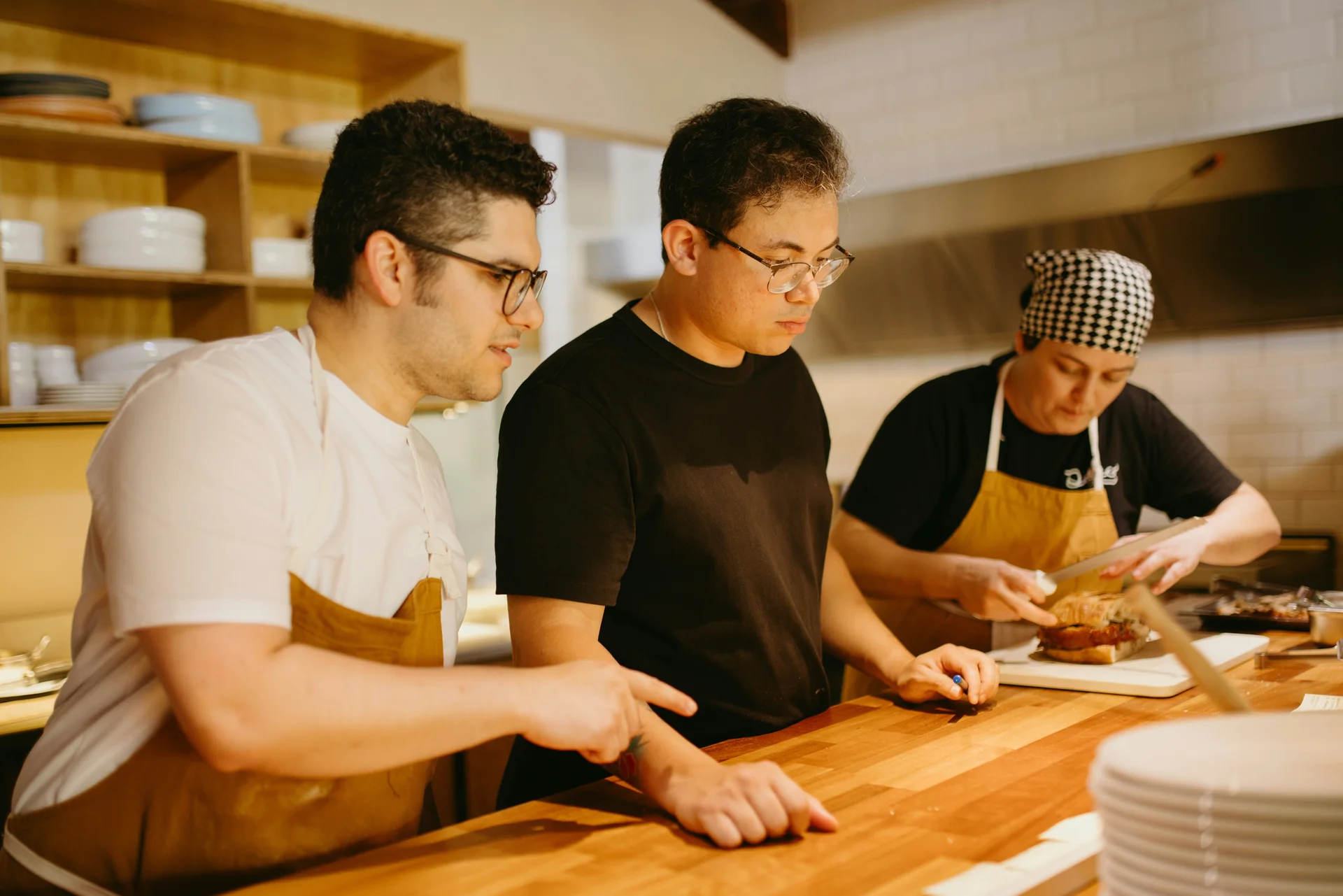


A restaurant can offer decent pay and still lose good people when the day-to-day experience becomes exhausting. Maybe schedules keep changing, reliable employees are always covering gaps, or new hires are left to figure things out on the fly.
That is restaurant culture in practice. It is shaped by what managers consistently allow, reward, and expect. For owners and GMs trying to improve restaurant staff retention strategies, the goal is not just to create a team that gets along. It is to create a workplace good employees actually want to keep coming back to.
Culture Is a Management Standard
Restaurant culture is often treated as a question of morale, but managers have more control over it than that framing suggests. Culture develops from the standards management repeats: how consistently rules are enforced, how responsibilities are divided, what behavior gets tolerated, and whether dependable employees are rewarded or simply given more work.
Favoritism, poor communication, uneven workloads, and managers applying different standards from one shift to the next gradually make the restaurant harder to work in. Understanding why restaurant employees quit therefore requires looking beyond pay or individual complaints. Sometimes turnover reflects how the restaurant is being managed.
What Employees Read Into Everyday Management
Employees form their view of the restaurant through repeated management decisions, not a mission statement. The signals are usually simple:
- Whether time-off requests are handled consistently
- Whether strong employees are always the ones asked to cover gaps
- Whether managers correct mistakes privately or embarrass people in front of the team
- Whether new hires get the same standards and support as experienced staff
- Whether schedule changes come with notice or simply appear
- Whether praise and better opportunities go to the same favorites every time
Those patterns shape how fair and predictable the workplace feels. They also affect restaurant employee retention because people are more likely to stay when they understand expectations and believe management decisions are consistent.

Good Culture Requires Consistent Managers
Employees should not have to figure out which version of the restaurant they are walking into based on who is managing the shift. If one manager enforces standards while another ignores them, or one shift leader communicates schedule changes properly. At the same time, another does not, employees end up adapting to individual personalities instead of a clear way of working.
That inconsistency becomes especially costly across multiple locations, which is exactly the gap restaurant staffing software built for multi-location teams is meant to close. Owners cannot personally manage every shift, so the behavior of GMs and shift leaders becomes the culture employees actually experience. Strong restaurant management means agreeing on a few non-negotiables: how feedback is given, how callouts are handled, what good performance looks like, and which behaviors will not be tolerated regardless of who is on duty.
Culture Begins With Onboarding
A restaurant can lose a new employee before that person has had enough time to become good at the job. Weak restaurant onboarding often leaves new hires learning standards through correction: where things go, who handles what, how the restaurant communicates, and what managers expect during service. That creates unnecessary friction at the exact point when an employee is deciding whether the job feels worth staying for.
This is also where restaurant staff retention strategies need to start, and it goes back even further than onboarding. Knowing how to find good restaurant employees in the first place means fewer new hires arrive already mismatched with the role. The first weeks should give new hires enough structure to become useful without making them feel that confusion is simply part of working in restaurants.
Fairness Matters More Than Perks
Restaurants sometimes try to improve morale by adding small perks while leaving the decisions employees care about untouched. A free meal or team outing will not carry much weight if the same people always get the best shifts, certain employees can get away with behavior others cannot, or reliable staff are rewarded with more work every time the restaurant is short-staffed enough to need last-minute restaurant staffing just to get through the week. Employees pay attention to how management distributes the things that affect their working lives. That includes:
- Who gets preferred shifts and sections
- Who is asked to stay late or cover callouts
- How time-off requests are handled
- Whether mistakes have similar consequences across the team
- Who gets trained for better roles or more responsibility
- Whether good work is actually acknowledged
Fair does not mean every employee gets the same treatment. Performance, experience, and availability matter. But managers should be able to explain their decisions without falling back on favoritism or habit, the kind of consistency top methods to optimize staffing in restaurants are meant to support.
Your Best Employees Shouldn't Become Invisible
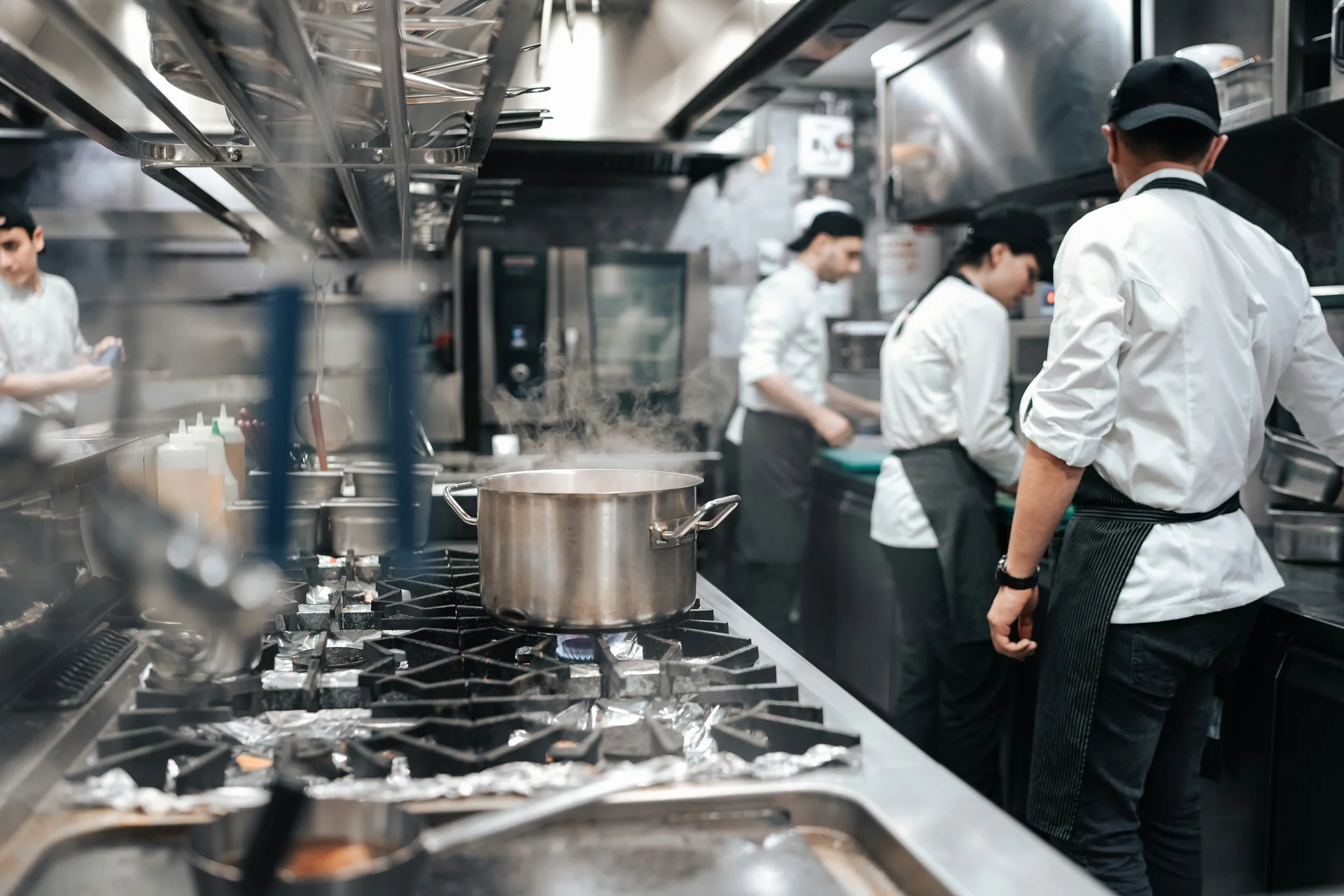
The employees managers trust most can easily become the employees they recognize least. The server who handles a difficult section without help, the cook who keeps their station moving during a rush, or the experienced employee who trains every new hire can start to feel invisible simply because good work has become expected from them.
Useful employee recognition ideas do not need a formal program. Recognition can happen right after someone:
- Handles a difficult guest well
- Gets through a tough rush without letting standards slip
- Improves on a new station
- Helps a new hire get up to speed
- Covers a callout when the team needs it
The important part is making good work visible before an employee is halfway out the door.
What Does Your Schedule Say About Your Culture?
Employees notice when every staffing problem eventually becomes their problem. Maybe the same server always gets the call when someone cancels. Maybe one cook keeps losing their day off when the kitchen is short. Or the strongest employees keep getting difficult shifts because managers know they can handle them.
Managers cannot prevent every callout, but they can watch for patterns. Respect stated availability, rotate difficult shifts when possible, give reasonable notice, and pay attention to who keeps absorbing the disruption.
Hire for the Team You Already Have
Hiring quickly can solve an open shift while creating a completely different problem for the existing team. A candidate may have the right experience but the wrong availability, expectations, or approach to working with others. Before moving someone forward, look beyond whether they can do the job:
- Can they reliably work the shifts you actually need?
- Do their expectations around hours match what you can offer?
- Do they understand the pace and responsibilities of the role?
- Can they work within the standards your current team relies on?
AI candidate screening can help narrow applicants around those practical requirements before managers spend time interviewing. OneTeam also uses AI candidate sourcing to help restaurants find stronger-fit candidates without defaulting to whoever happened to apply first.
What Keeps Repeating?
One resignation might not tell you much. The same position opening every three months does. Instead of treating every departure as an isolated hiring problem, look for patterns in your employee turnover rate:
- Are new hires leaving within their first 30 or 60 days?
- Does one location lose more employees than another?
- Does the same position keep reopening?
- Are people leaving after repeated schedule changes or understaffed shifts?
- Is turnover noticeably higher under one manager?
Those patterns give management somewhere useful to look at. The right restaurant staff turnover solutions address what keeps causing the vacancy instead of automatically starting another round of recruiting.
Culture Needs Regular Check-Ins
Restaurant culture rarely falls apart because of one huge decision. More often, small problems become normal because everyone is busy. A quick check-in can catch those issues earlier by showing managers what is making shifts harder, where the same problems keep showing up, and what the team has started accepting as “just how it is here.”
Hiring software can take some of the repetitive work out of restaurant staffing and hiring, but culture still needs attention after the position is filled. The strongest teams are built by managers who keep noticing what is working, what is slipping, and what needs to change before another good employee decides to leave.
FAQ


No setup fees.
No long-term commitment.
Create your account and start hiring.
