
Runner Job Description Duties and Responsibilities
TL;DR
A food runner keeps the kitchen and the dining room connected during service. This guide covers the core duties, skills, and what to include in a runner's job description so you hire someone who can actually handle the pace.

Helgi
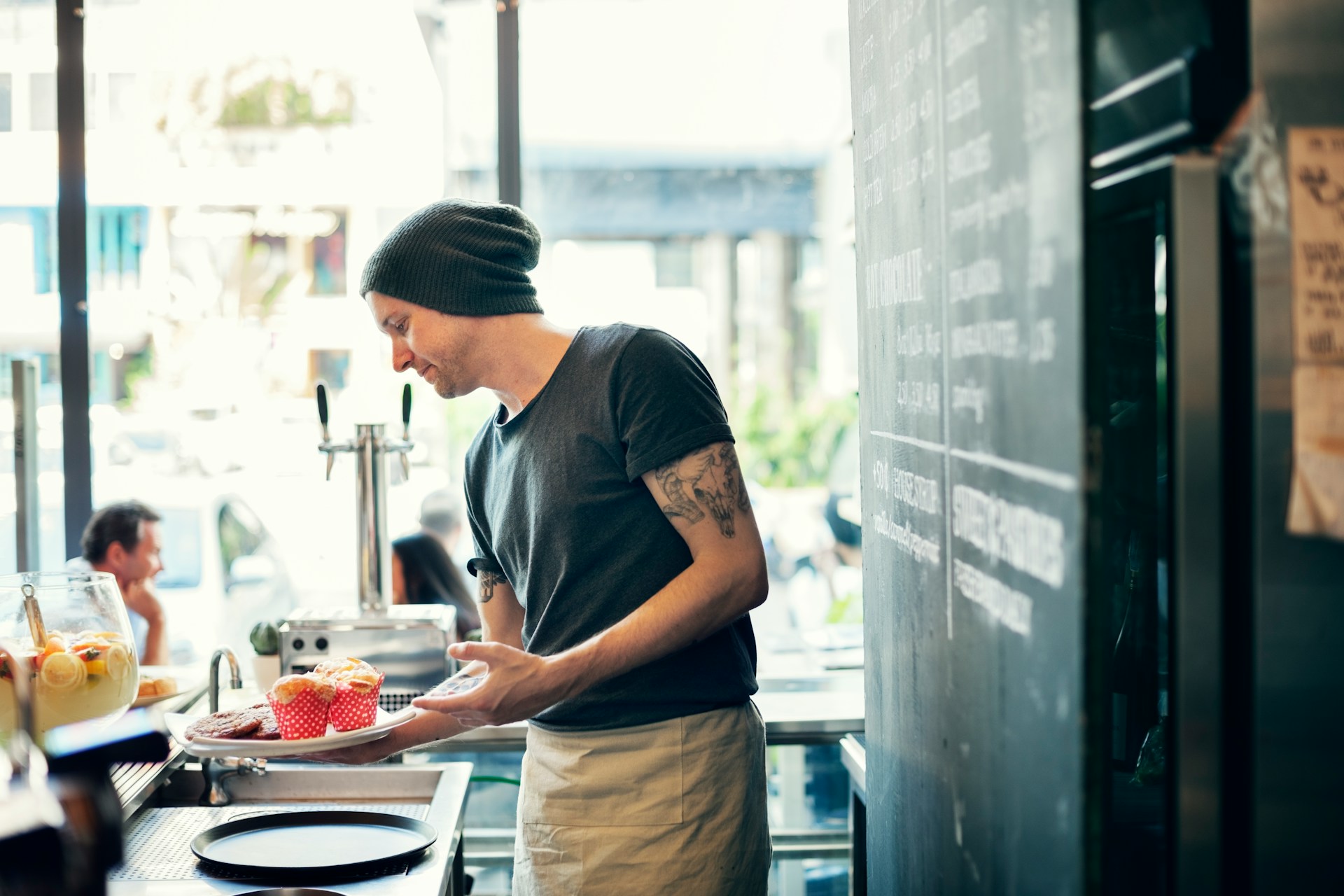


A table full of guests is staring at empty plates. The server is managing three other tables. The food has been sitting under the heat lamp for two minutes. In that moment, the runner either holds service together or accelerates its collapse. Of all the front-of-house roles restaurants consistently underestimate, the runner may be the most consequential and the most poorly defined at the point of hire.
Getting the runner job description right from the start is not a minor administrative task. It is a staffing decision that directly affects table turn times, kitchen communication, and the guest experience on your busiest nights.
What Does a Food Runner Do?
The runner's job is built on two things: movement and accuracy. A runner picks up completed dishes from the kitchen, confirms the table and seat assignment, and delivers food to guests quickly and correctly. That description is accurate but incomplete.
During service, runners function as the operational link between back-of-house and front-of-house. They relay information about delays, alert servers when orders are ready, and communicate floor pace back to the kitchen. A runner who can effectively communicate in both directions prevents the kind of compounding breakdowns that turn a manageable rush into a chaotic one. Restaurants that staff this role well rarely appreciate how much of their service quality depends on it.
The specific duties and responsibilities attached to the role vary by restaurant size and concept. At higher-volume operations, runners may assist with bussing, water service, bar food delivery, and side station restocking. At smaller restaurants, the role may be more narrowly defined. Either way, a job description that fails to reflect the actual scope of the position produces candidates who are unprepared for what they walk into on their first shift.
Runner Duties and Responsibilities
A useful runner job description reflects what actually happens during service, not a polished version designed to attract applicants. The table below outlines what the role typically covers across restaurant types.
The work environment for a runner is physically demanding and operationally unforgiving. Accuracy under pressure is not a soft skill in this role. It is the job.
Skills and Qualifications to Look For
The runner position is entry-level by industry convention, but that classification can be misleading. It is also one of the roles most affected by restaurant staff turnover, which means managers end up rehiring for it more often than almost any other position on the floor.
Strong runners stay composed when the kitchen is backed up, and the dining room is at capacity. They anticipate what servers need before being asked, move efficiently without disrupting guests, and handle mistakes at the table without escalating the situation. Key skills to include in a runner's job description:
- Ability to effectively communicate with kitchen and floor staff
- Strong sense of urgency without sacrificing accuracy
- Working knowledge of food and beverage items on the menu
- Customer service presence during guest interactions
- Physical ability to carry plates, trays, and heavy items safely
- Composure and focus in a high-pressure work environment
Writing a Runner Job Description That Attracts the Right Candidates
Most runner job descriptions fail not because managers are careless but because the descriptions are written too quickly and without enough specificity. Candidates with restaurant experience recognize a generic posting immediately, and the ones you most want to hire are often the ones most likely to move on to the next listing.
Specificity is the correction. State the pace of the restaurant honestly. Describe the team structure. If the role requires weekend and holiday availability, say so directly. If runners are expected to support bar service or work closely with a large kitchen team, include that context. A description that accurately reflects the job filters out poor-fit candidates before the interview stage and signals to qualified applicants that the operation is well-run.
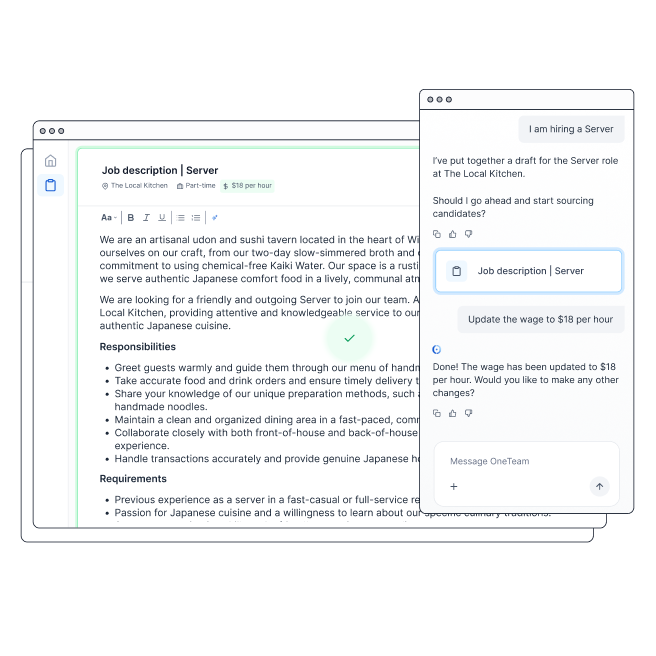
Restaurants hiring across multiple locations often use an AI Job Description Generator to build consistent, role-specific postings without starting from scratch each time. The output still needs to reflect the specific restaurant and its culture, but a structured foundation saves time and reduces the gaps that vague postings leave behind. Connecting those postings to the right restaurant hiring software means applications arrive in one place, reducing the time managers spend tracking candidates across platforms.
How the Runner Role Fits Into Your Front-of-House Team
The runner position does not exist in isolation. It sits inside a larger staffing structure, and understanding where it fits helps managers hire for it more accurately and develop the right people into the right next roles.
Runners work closest to servers, but they interact with hosts, bussers, bartenders, and kitchen staff throughout every shift. A candidate who understands that dynamic before their first day performs better and stays longer. Managers building out or restructuring a front-of-house team should start by reviewing the positions in restaurant staff to understand how responsibilities are distributed across roles and where the runner fits within that structure.
The same logic applies when writing the job description itself. The runner posting does not need to be built in isolation, either. Managers actively hiring across multiple front-of-house roles at the same time will find that applying food server job description qualities to the runner posting raises the caliber and specificity of both. The standards that make a server description effective, clear expectations, an honest pace, and defined availability requirements translate directly and save time across every posting you are building at once.
Hiring Runners Faster With the Right System
Hiring for the runner position looks straightforward until you account for application volume, interview no-shows, and the reality that most entry-level candidates are applying to multiple restaurants at the same time. The window to move from application to hire is narrow, and a slow process loses qualified candidates to faster-moving competitors.
OneTeam is built specifically for restaurant hiring. Managers get a clear, organized view of who applied, who meets the qualifications, and who is ready to schedule, without sorting through unstructured inboxes or manually chasing confirmations.
.png)
For restaurants staffing multiple front-of-house roles simultaneously, pairing runner hiring with the best interview questions for servers keeps the process consistent. It reduces the time managers spend building each stage from scratch.
FAQ


No setup fees.
No long-term commitment.
Create your account and start hiring.
