
Kitchen Management Job Description: Roles and Skills
TL;DR
Strong kitchen management affects far more than food preparation. It impacts labor costs, food quality, inventory management, kitchen safety, and how smoothly restaurant operations run during busy service periods. Restaurants that build structured kitchen systems and hire reliable kitchen leaders often reduce operational stress, improve consistency, and handle turnover more effectively.

Helgi



Many restaurants still approach kitchen management reactively. Problems are addressed after inventory runs short, after service slows down, after food waste increases, or after experienced kitchen staff leave unexpectedly. But as operational pressure across the restaurant industry continues increasing, reactive management has become harder to sustain, especially for restaurants balancing high turnover, rising labor costs, and growing expectations around speed and consistency.
Kitchen management now sits at the center of restaurant operations. Strong systems inside the kitchen shape food quality, staffing stability, and operational consistency across every shift. For many operators, maintaining that structure consistently has become one of the biggest factors separating stable restaurants from kitchens constantly operating in recovery mode.
What Is Kitchen Management?
Kitchen management refers to the operational systems, leadership responsibilities, and workflows used to oversee a restaurant kitchen effectively. The role extends far beyond supervising food preparation.
Kitchen managers help coordinate kitchen staff, maintain food safety standards, oversee inventory management, monitor kitchen equipment, and support communication between front-of-house and back-of-house teams during service.
Strong kitchen management affects multiple areas of restaurant performance, including:
- Food quality consistency
- Kitchen efficiency
- Labor coordination
- Inventory accuracy
- Food cost control
- Kitchen safety
- Employee accountability
- Waste reduction
- Service speed
- Staff communication
The Business Impact of Strong Kitchen Management
Kitchen performance directly affects restaurant performance. Inefficiencies inside the kitchen spread fast, hitting service speed, food quality, and customer experience at the same time. Small disruptions during prep or service can create bigger problems throughout the shift when communication breaks down.
Effective kitchen management gives restaurants more control day to day. Strong leadership and structured workflows mean faster service, less waste, and more consistent food quality during busy periods. That control is hard to build and easy to lose, especially when the team running the kitchen is not fully staffed.
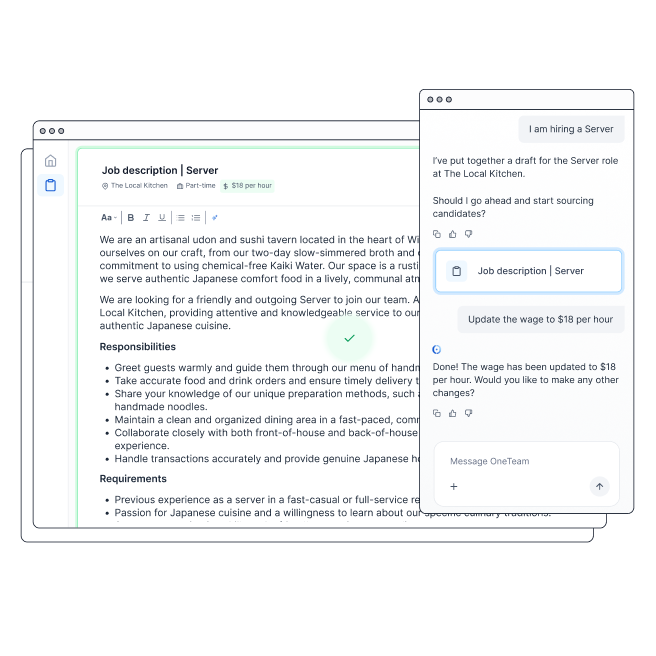
None of that holds up when key roles go unfilled. Staffing gaps hit kitchen performance just as fast as a broken fryer or a missed prep list, and ai tools for generating job descriptions have made it faster to get those roles back in front of the right candidates without pulling a manager off the floor. Gone are the days when replacing a line cook meant a manager spending half a shift buried in job boards instead of running the floor.
Core Kitchen Management Responsibilities
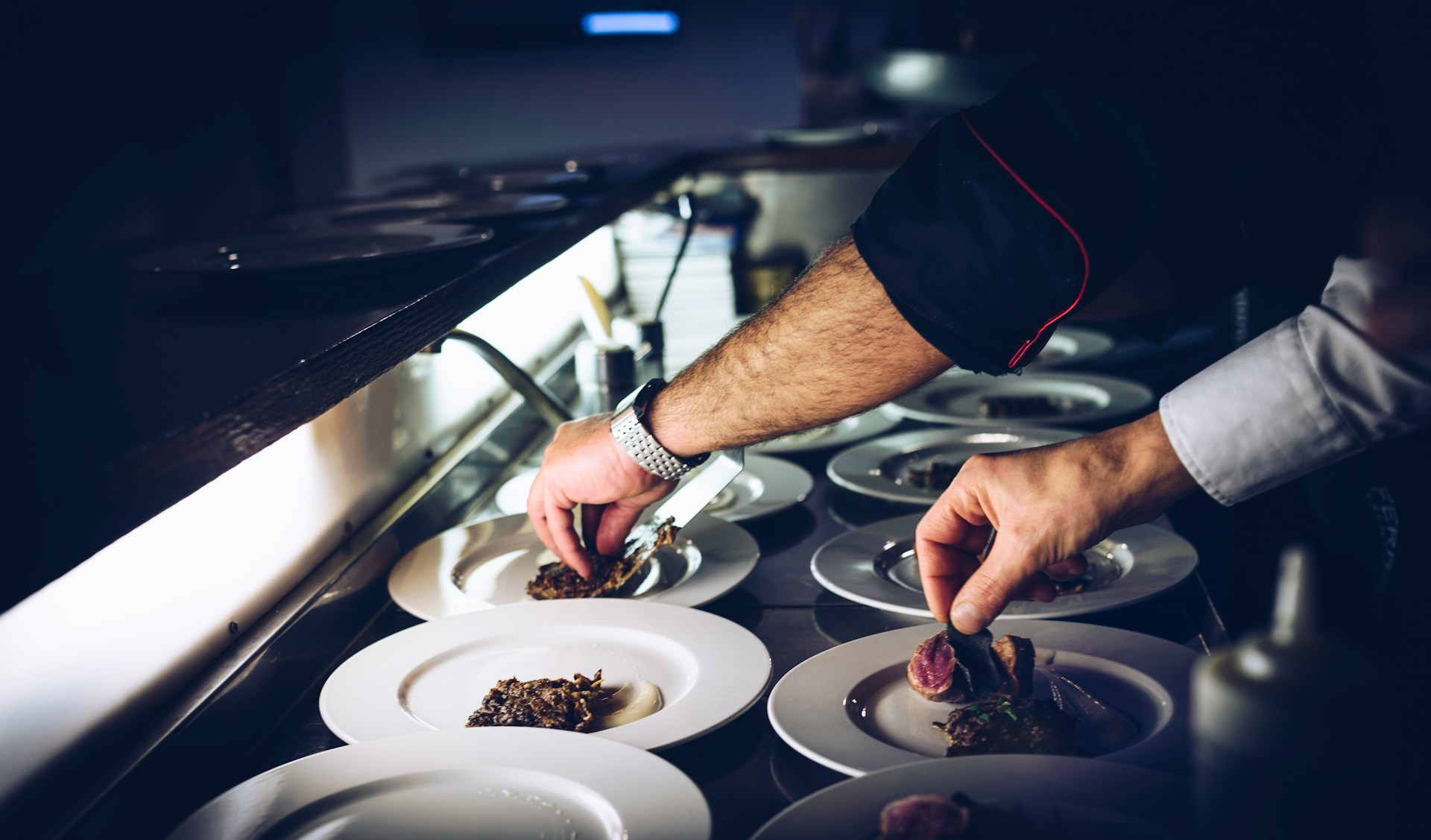
Kitchen management responsibilities vary depending on the restaurant concept, staffing structure, and size of the operation. However, most restaurant kitchen management roles include a combination of operational oversight, leadership, organization, and food service coordination.
Overseeing Daily Kitchen Operations
Kitchen managers help ensure the kitchen runs smoothly throughout the day. This includes coordinating prep schedules, assigning stations, monitoring service flow, handling operational issues quickly, and maintaining communication between kitchen staff and management.
Daily responsibilities often include:
- Opening and closing procedures
- Prep coordination
- Line checks
- Shift organization
- Station management
- Workflow adjustments
- Cleaning oversight
- Production monitoring
Managing Food Safety Standards
Food safety remains one of the most important responsibilities in any restaurant or food service operation. Kitchen managers help enforce safety standards related to:
- Food storage
- Ingredient handling
- Cross-contamination prevention
- Temperature monitoring
- Cleaning procedures
- Expiration tracking
- Sanitation practices
Failure to maintain food safety standards can create major operational, financial, and reputational risks for restaurants. Strong kitchen systems help reduce preventable mistakes during high-pressure service periods when teams are moving quickly.
Inventory Management and Food Cost Control
Inventory management plays a major role in restaurant profitability. Without accurate inventory systems, restaurants often experience:
- Ingredient shortages
- Overstocking
- Higher food waste
- Incorrect ordering
- Increased spoilage
- Poor prep forecasting
- Rising food cost percentages
Kitchen managers typically oversee inventory counts, supplier coordination, prep forecasting, and ordering schedules to improve operational visibility across the kitchen.
Managing Kitchen Staff Effectively
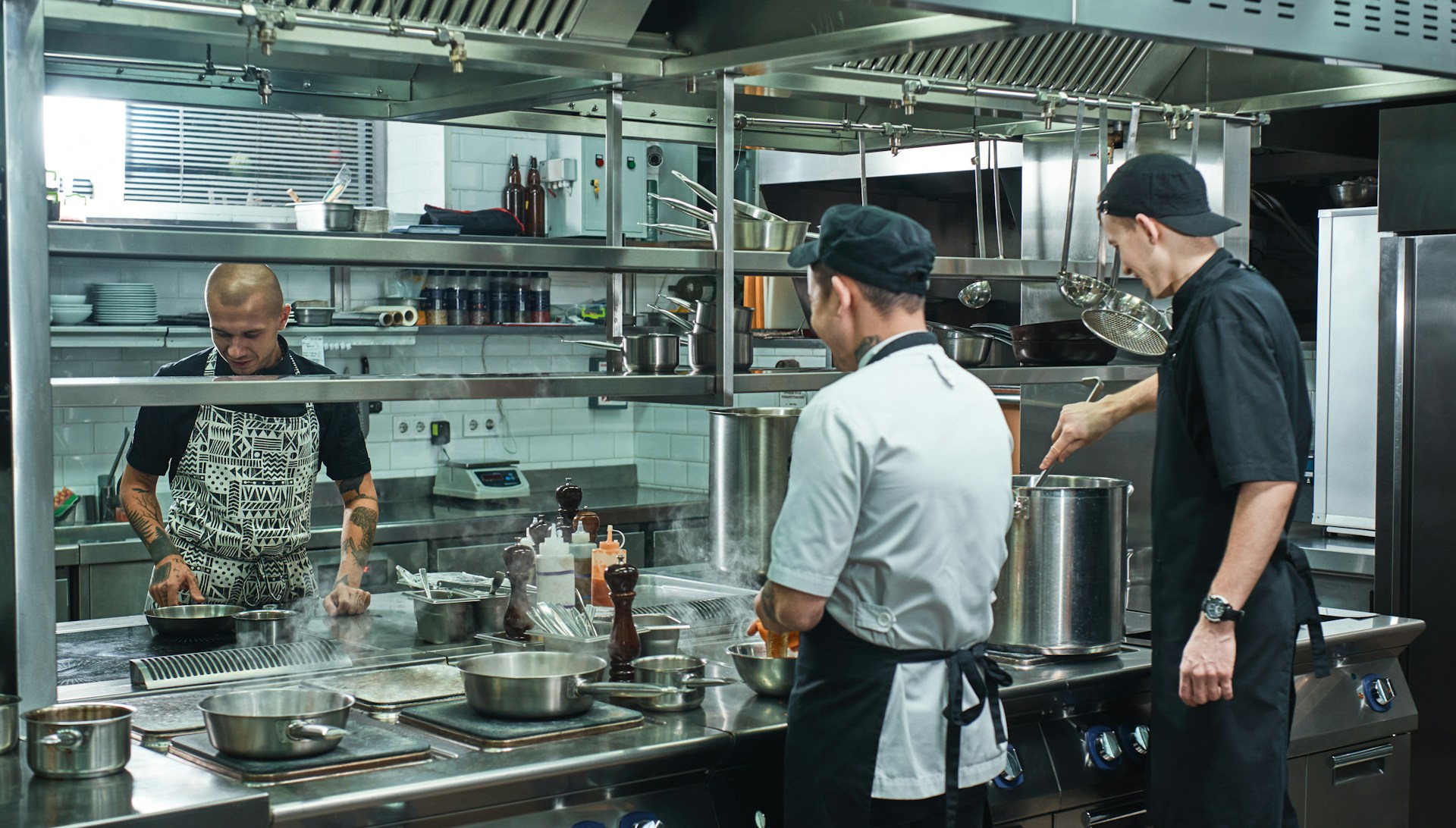
Managing kitchen staff has become increasingly difficult across the restaurant industry due to ongoing labor shortages and high employee turnover. In highly competitive hiring markets, some operators also explore options such as a restaurant staffing agency to help fill urgent labor gaps.
Kitchen managers typically oversee:
- Staff scheduling
- Shift coordination
- Performance accountability
- Communication
- Training
- Conflict resolution
- Operational expectations
- Station readiness
Understanding the positions in restaurant staff can also help operators create clearer responsibilities and improve coordination between the kitchen and front-of-house teams. Restaurants struggling with constant hiring pressure sometimes combine operational improvements with tools like restaurant hiring software to reduce manual hiring work while improving staffing consistency across locations.
Important Skills for Effective Kitchen Management
Effective kitchen management requires both operational knowledge and leadership ability. The strongest kitchen managers usually combine communication skills, organization, decision-making, and operational awareness under pressure.
Communication Skills
Restaurant kitchens depend heavily on communication during service. Kitchen managers must coordinate effectively with:
- Line cooks
- Prep staff
- Servers
- General managers
- Dishwashing teams
- Vendors
- Front-of-house staff
Strong communication reduces operational confusion and helps kitchens move more efficiently during rush periods.
Leadership Under Pressure
Restaurant kitchens operate in fast-moving, high-pressure environments. Kitchen managers regularly handle:
- Staffing shortages
- Equipment failures
- Delayed orders
- Inventory problems
- Service bottlenecks
- Unexpected call-outs
Organizational Skills
Operational organization directly affects kitchen performance. Managers often juggle prep schedules, staffing adjustments, inventory visibility, equipment issues, food safety monitoring, and service coordination simultaneously. Without strong organizational systems, kitchens can become reactive very quickly.
The Role of Kitchen Equipment in Daily Operations
Kitchen equipment directly affects workflow efficiency, production speed, and operational consistency. Equipment failures often create immediate service disruptions during peak hours. Kitchen managers typically help oversee:
- Equipment maintenance
- Cleaning schedules
- Repair coordination
- Safety compliance
- Operational readiness
Common kitchen equipment includes:
- Refrigeration systems
- Ovens
- Fryers
- Prep stations
- Grills
- Dishwashing systems
- Food processors
- Storage units
Maintaining kitchen equipment properly helps restaurants avoid downtime, production delays, and unnecessary operational stress during service.

How Kitchen Management Impacts Employee Retention
Many restaurants focus heavily on guest experience while overlooking how kitchen management affects employee retention behind the scenes. Disorganized kitchens create stress quickly. Constant schedule changes, unclear expectations, communication breakdowns, and chaotic prep systems often increase burnout among kitchen staff.
Strong kitchen management helps create a more stable work environment by improving:
- Shift organization
- Communication clarity
- Team accountability
- Operational consistency
- Prep coordination
- Training structure
- Workload distribution
When kitchen operations feel more organized, employees often perform more consistently and stay longer.
Kitchen Management Checklist for Daily Restaurant Operations
Restaurant kitchens rely on structured operational systems to maintain consistency during service. Without repeatable routines, small operational issues can quickly spread throughout the kitchen.
Before Service
- Verify kitchen equipment is operational
- Review prep completion
- Confirm inventory levels
- Check refrigeration temperatures
- Assign staff stations
- Review reservations and projected volume
- Restock high-use ingredients
During Service
- Monitor ticket times
- Maintain communication between stations
- Watch the food quality consistency
- Adjust workflows during rush periods
- Resolve shortages quickly
- Monitor food safety continuously
After Service
- Complete cleaning procedures
- Store food properly
- Update inventory counts
- Review food waste levels
- Prepare prep lists for the next shift
- Identify operational problems in the service
Restaurants with stronger daily systems often maintain more stable kitchen operations during busy periods.
Signs a Restaurant’s Kitchen Management System Needs Improvement
Operational problems inside kitchens often build gradually over time. In many restaurants, small inefficiencies continue growing until service quality, employee retention, and profitability start becoming harder to maintain.
Common warning signs include:
Most of these issues build quietly over time. By the time they're visible, they're already affecting service, staff morale, and the bottom line. OneTeam was built for exactly this, so operators spend less time on hiring admin and more time on the floor where it matters.
Hiring Challenges in Modern Restaurant Kitchens
Hiring remains one of the biggest operational challenges for restaurant kitchens today. Many operators still rely on manual hiring processes that involve reviewing large volumes of resumes, coordinating interviews manually, and scrambling to replace employees after sudden turnover.
That reactive hiring cycle often increases pressure on existing kitchen staff while managers attempt to maintain operational consistency during service. Restaurants now increasingly use systems like candidate screening software to reduce time spent reviewing applications manually and improve hiring speed during urgent staffing situations.
Operators who need to move fast can follow a step-by-step process for creating a job description for restaurant staff with an AI tool, cutting the time it takes to get a role posted without pulling a manager off the floor.
How Restaurants Can Improve Kitchen Management
Improving kitchen management usually starts with improving operational consistency. Restaurants often see stronger long-term results when they:
- Standardize prep systems
- Improve inventory visibility
- Clarify operational responsibilities
- Maintain kitchen equipment proactively
- Create stronger communication systems
- Reduce reactive scheduling
- Improve hiring consistency
- Document operational procedures
Strong kitchen management creates systems capable of supporting consistency even during staffing shortages, rush periods, and operational disruptions. Part of that is moving fast when someone leaves. An AI job description generator cuts down the time it takes to get a role posted and in front of the right candidates.
Building a Stronger Kitchen Operation Starts With Structure
Building stronger kitchen systems, improving communication, and creating more structured hiring processes can help restaurants maintain greater operational stability long term. For restaurants looking to reduce hiring chaos while improving operational consistency, OneTeam’s AI hiring assistant helps operators spend less time buried in manual hiring work and more time managing the floor effectively.
FAQ


No setup fees.
No long-term commitment.
Create your account and start hiring.
