
Restaurant Staffing Shortage Causes and Solutions
TL;DR:
Restaurant staffing shortage is driven by burnout, unstable scheduling, poor work culture, and reactive hiring systems. Restaurants that improve retention, hiring structure, and operational consistency are better positioned to reduce turnover and protect long-term service quality.

Helgi
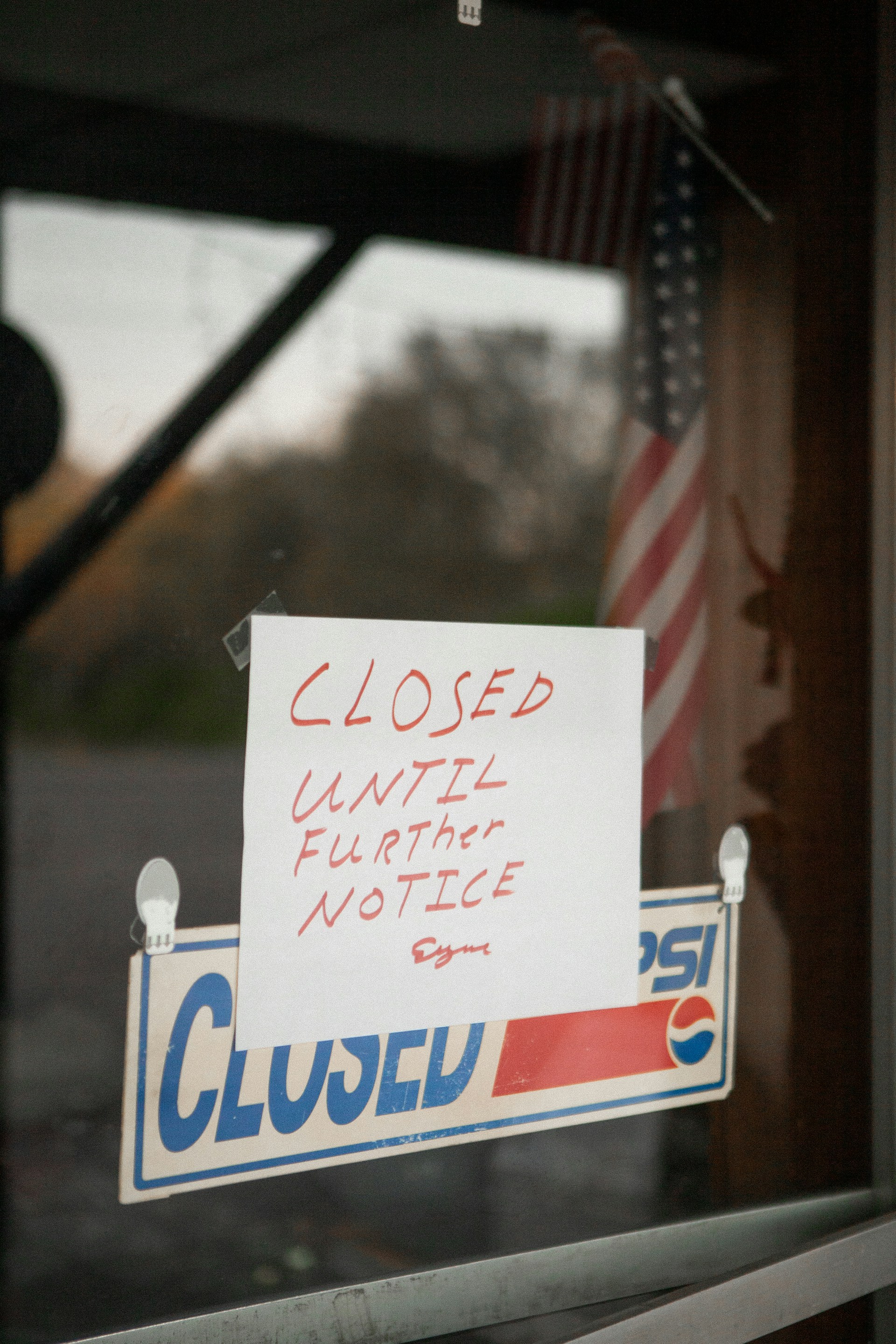


Restaurant staffing shortages are no longer a temporary disruption that operators can simply wait out. For many restaurants, staffing instability has become a daily operational challenge affecting service quality, employee burnout, scheduling consistency, and long-term profitability. Managers are trying to maintain smooth operations while working with smaller teams, constant hiring pressure, and ongoing turnover.
The issue extends beyond unfilled restaurant jobs. Many restaurants are operating inside a cycle of burnout, reactive hiring, and constant understaffing. Unpredictable scheduling, rising workload pressure, and high turnover rates continue to push experienced workers out of the industry faster than new employees can replace them.
Why the Restaurant Staffing Shortage Hits Restaurants Differently Than Other Industries
The restaurant industry depends on speed, physical endurance, and consistency in ways many other businesses do not. When staffing shortages hit retail or office settings, productivity may slow. When restaurant staff shortages hit a restaurant, service can break down immediately.
When restaurant labor gaps appear, the impact is operational and immediate:
- Dining rooms slow down
- Ticket times back up
- Online ordering strains kitchen staff
- Front-of-house teams absorb customer frustration
- Managers jump from service into emergency staffing mode
This creates a different kind of labor shortage because restaurants do not just need employees. They need dependable staff who can perform during rushes, adapt quickly, and handle physically demanding shifts under pressure.
A restaurant may fix one staffing issue while the other continues creating bottlenecks. Hiring more servers does little if the kitchen staff is overwhelmed. Bringing in cooks does not solve service issues if front-of-house remains unstable.
This is why many restaurant operators feel trapped in constant hiring mode. Posting more restaurant jobs alone rarely fixes the shortage in the restaurant industry because the deeper issue is structural.
Without changes to scheduling, culture, and retention systems, many restaurants face:
- More applications, but poor candidate quality
- More interviews, but frequent no-shows
- More hires but continued turnover
- More management hours are spent hiring instead of operating
The real issue is not just finding workers. It is building a Restaurant Staffing system that reduces constant replacement hiring while protecting service quality, team stability, and management time.
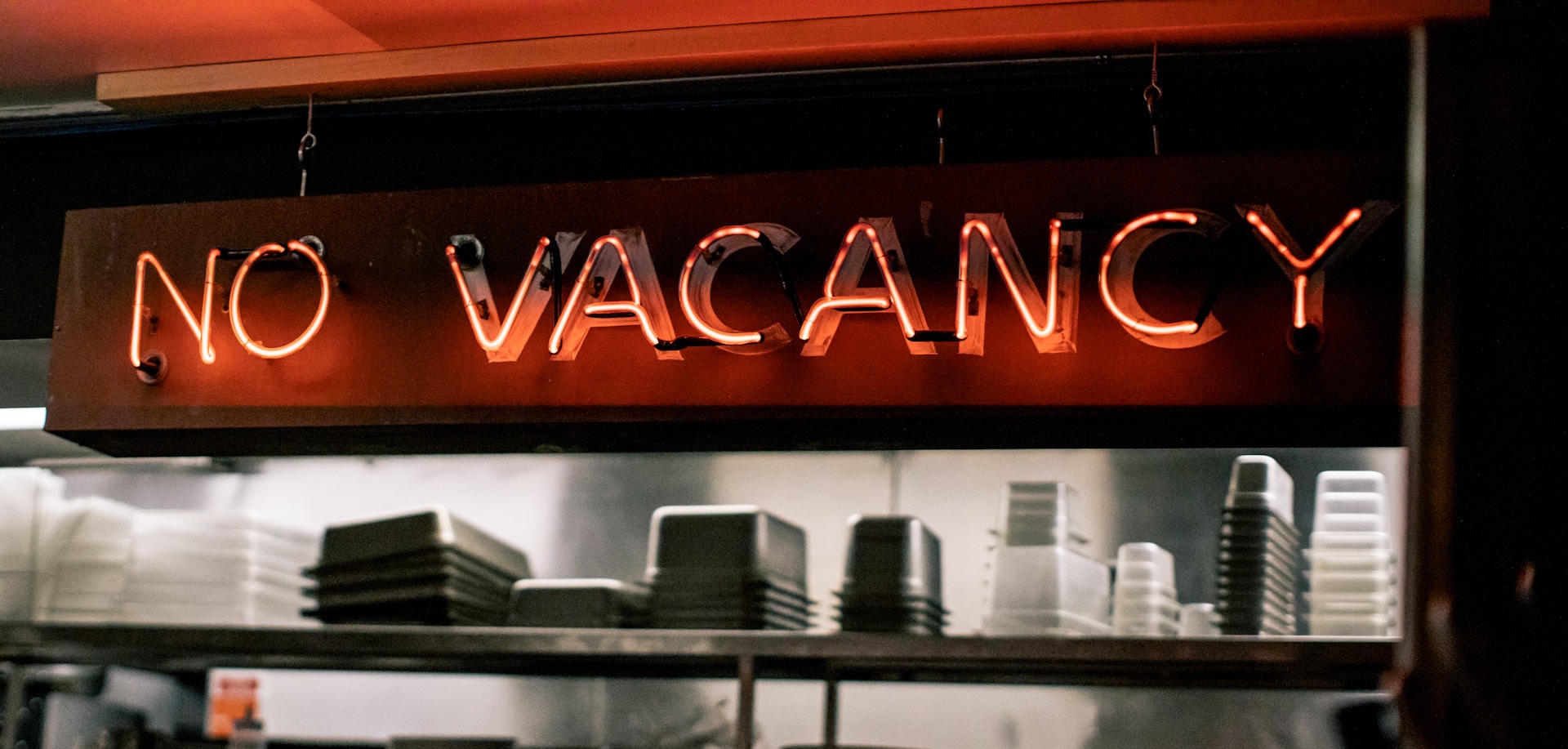
What’s Actually Causing the Restaurant Staffing Shortage
Today’s staffing crisis did not begin with the pandemic, even if COVID made it impossible to ignore, and it will not be solved by one quick fix. While post-pandemic labor disruption accelerated the problem, most restaurant operators are dealing with deeper issues that were already building long before COVID changed hiring patterns.
Pre-pandemic, many restaurants already struggled with turnover, inconsistent staffing, and physically demanding work environments. Post-pandemic, those existing cracks widened. Workers left for industries offering more predictable schedules, better work-life balance, or less physically exhausting roles. For restaurants, that shift exposed how fragile traditional restaurant labor models had become.
Several structural issues continue driving staffing shortages across the industry.
1. Burnout from restaurant-specific work pressure
Restaurant work moves fast, but for many teams, the pace has become unsustainable. Understaffed shifts force fewer employees to cover more responsibilities, often without enough recovery time.
This commonly shows up as:
- Servers managing larger sections during rushes
- Kitchen staff handling online ordering plus dine-in volume
- Managers covering call-outs while also hiring
- Cross-trained employees taking on multiple roles without clear boundaries
Over time, this creates burnout that pushes reliable restaurant staff out faster than operators can replace them.
2. Scheduling instability
Many restaurant employees leave not because they dislike the work itself, but because unstable schedules make life difficult outside work.
Common scheduling frustrations include:
- Last-minute shift changes
- Inconsistent weekly hours
- Cloning shifts
- Difficulty balancing multiple jobs
- Limited flexibility for family or school
For front-of-house teams especially, unpredictable scheduling can drive turnover faster than compensation alone.

3. Wage pressure without operational restructuring
Higher wages matter, but wage increases alone do not fully solve restaurant staff shortages if the work environment remains exhausting.
Operators often face pressure from:
- Rising minimum wage requirements
- Competitor pay increases
- Higher expectations from candidates
- Tight profit margins
Without improving culture, scheduling, and workload balance, simply paying more can increase labor costs without improving retention.
4. Work culture problems
The shortage in the restaurant industry is also tied to how workers experience daily operations. Poor communication, lack of advancement, weak onboarding, and constant chaos create environments where employees do not stay long-term.
Restaurant teams are more likely to leave when they experience:
- Disorganized training
- Constant understaffing
- Poor shift communication
- Limited recognition
- Little opportunity for growth
For many restaurant operators, culture problems are less visible than no-shows, but they can create bigger turnover issues over time. Over time, these challenges often reveal that staffing shortages are not just hiring problems, but larger operational systems problems.
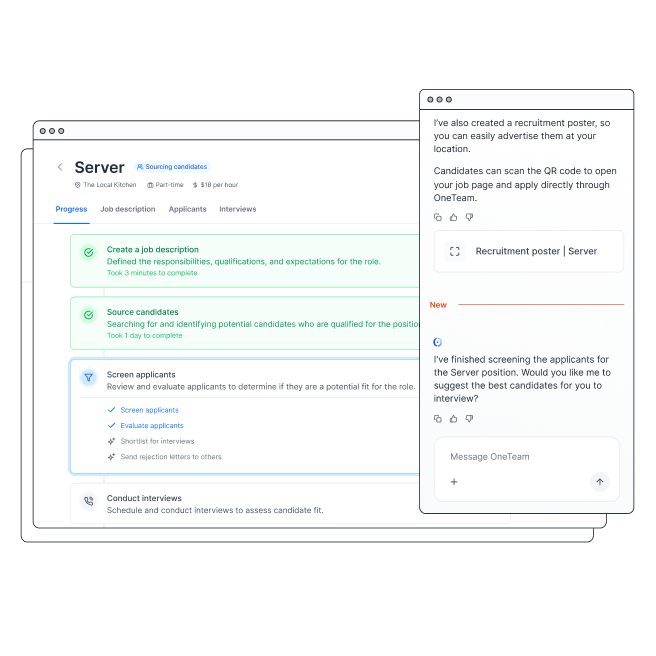
As managers get pulled deeper into resumes, scheduling, and constant rehiring, many begin exploring tools like an AI Recruiting Assistant or Applicant Tracking System such as OneTeam to reduce manual hiring pressure and create more stability.

The biggest issue: reactive hiring keeps the cycle going
Many restaurants do not build staffing systems until someone quits. That means hiring starts after the operational damage has already begun.
Reactive hiring often includes:
- Posting jobs urgently
- Sorting through large resume volumes manually
- Scheduling interviews between shifts
- Filling immediate gaps instead of improving long-term fit
This cycle keeps managers trapped in short-term staffing mode. Until restaurants address burnout, scheduling, culture, and hiring structure together, staffing shortages are likely to remain a constant operational problem rather than a temporary labor shortage.
Front-of-House vs Back-of-House: Why Staffing Problems Need Different Fixes
Restaurant staffing shortage does not affect every role the same way. Front-of-house and back-of-house teams face different pressures, leave for different reasons, and create different operational problems when positions stay unfilled.
Many restaurant operators make the mistake of treating staffing shortages like one broad hiring issue. In reality, FOH and BOH turnover require different solutions. Hiring more aggressively across the board will not fix staffing shortages if the root problems inside each department stay the same.
Front-of-House shortages often center around flexibility and reliability
Front-of-house roles usually bring in more applicants, but that does not always mean stronger retention. Servers, hosts, and bartenders often prioritize schedule flexibility, shift consistency, and manageable guest pressure.
Common FOH staffing challenges include:
- Interview no-shows
- Schedule conflicts
- Last-minute call-outs
- Guest-facing burnout
- Short-term turnover
When front-of-house staffing is unstable, restaurants often feel it immediately through slower service, longer wait times, and increased pressure on reliable team members.
Back-of-House shortages are often tied to burnout and physical demands
Back-of-house staffing shortages are often harder to solve because replacing trained kitchen staff takes more time and creates deeper operational strain.
Common BOH challenges include:
- Physical exhaustion
- Long shifts
- Burnout during rushes
- Wage competition
- Lower retention
As kitchen staff shortages grow, restaurants may face reduced capacity, slower ticket times, inconsistent food quality, and increased burnout among the remaining team.
Why one-size-fits-all hiring strategies fail
Many restaurants post the same job ads, use the same hiring systems, and apply the same retention strategies across every role. That often creates mismatched hiring because FOH and BOH employees stay for different reasons.
Front-of-house retention typically improves with:
- Better scheduling flexibility
- Stronger communication
- Clear shift expectations
- Faster hiring speed
- Reduced interview friction
Back-of-house retention usually improves with:
- Workload balance
- Predictable shifts
- Better onboarding
- Cross-training opportunities
- Clear growth paths
When operators fail to separate these priorities, staffing shortages continue even while hiring activity increases.

Practical Solutions Restaurant Operators Can Implement This Week
Posting another job ad will not fix broken scheduling, burned-out staff, or chaotic hiring systems. Operators stuck in constant reactive hiring spend more time replacing staff than fixing the systems causing turnover in the first place.
The most effective short-term improvements usually come from operational changes that reduce friction for both managers and employees. These are not massive overhauls. They are practical adjustments that can improve restaurant staffing stability quickly.
1. Fix scheduling before expanding hiring
For many restaurants, unstable scheduling creates avoidable turnover long before recruitment becomes the main problem. A better schedule can retain employees faster than a new job post can replace them.
This week, operators can focus on:
- Posting schedules earlier
- Reducing last-minute changes
- Limiting clopening shifts
- Giving stronger shift consistency
Even small scheduling improvements can reduce front-of-house no-shows and improve team reliability.
2. Reduce management hiring bottlenecks
Many managers lose hours sorting resumes, texting candidates, and coordinating interviews while also running the service. That operational drag often slows hiring enough to worsen staffing shortages.
Improving this process may include:
- Standardized interview windows
- Faster application review systems
- Pre-screening candidates before manager involvement
- Clearer job descriptions
- Centralized applicant tracking
This is where many growing restaurants start exploring tools like an AI Recruiting Assistant or Applicant Tracking System to reduce manual hiring tasks. For operators managing multiple locations, simplifying hiring logistics can free up valuable floor time without adding more software complexity.
3. Strengthen retention before the next resignation
Emergency hiring usually starts after someone quits. Stronger retention systems help reduce that cycle.
Practical retention moves include:
- Faster onboarding
- Clear first-week expectations
- Defined growth opportunities
- Regular manager check-ins
- Better communication between shifts
Restaurants that improve retention frequently reduce staffing shortages faster than those focused only on recruiting volume.
4. Build systems, not panic responses
Restaurant operators often do not need more applications. They need a better hiring structure. The difference matters. The restaurants improving hiring success are often the ones creating repeatable systems instead of restarting from scratch every time a server quits or kitchen staff burns out.
That may mean revisiting your current restaurant staffing process, improving team communication, or using hiring support tools more intentionally. The goal is simple: spend less time scrambling and more time building a reliable team that can handle service consistently.
Restaurant staffing shortage rarely improves through hiring alone. Operators stuck in constant replacement hiring spend more time replacing staff than fixing the systems causing turnover in the first place.
.png)
Building a Restaurant That People Actually Stay In
Restaurants do not lose good people by accident. They lose them when daily operations become too hard to stay in Hiring matters faster. But if new hires keep leaving after a few weeks or months, restaurants stay trapped in the same cycle of job posts, interviews, and turnover. Constant hiring without retention is expensive, exhausting, and operationally disruptive.
What makes restaurant employees leave
Restaurant workers commonly leave when daily operations feel chaotic, unpredictable, or unsupportive over time. The biggest retention problems often include:
- Inconsistent scheduling
- Burnout from understaffed shifts
- Weak onboarding
- Poor communication
- Limited advancement
- Feeling replaceable
These issues build slowly, but they can drive turnover faster than operators realize.
What makes employees stay longer
Restaurants that reduce staffing shortages often create work environments that feel more stable and manageable, especially during demanding seasons. Practical retention improvements include:
- Reliable scheduling practices
- Strong first-week training
- Cross-training opportunities that support growth
- Clear communication during shifts
- Recognition for reliable performance
- Managers who stay organized during hiring and onboarding
This is where operational systems matter beyond recruiting. A smoother hiring process can improve retention because new employees judge restaurant culture from their first few interactions. When hiring feels disorganized, communication is slow, or onboarding starts chaotically, turnover risk rises early.
Retention starts before day one
Many operators focus heavily on filling the role, but hiring success improves when restaurants also improve what happens immediately after the hire. That means:
- Faster communication after interviews
- Clear onboarding steps
- Defined role expectations
- Better first-shift preparation
Restaurants using structured hiring and onboarding systems, including tools like OneTeam, often create a more organized first impression that can support retention while also reducing management workload.
Solving Restaurant Staffing Shortage Starts with Better Systems
Most operators already know the problem is bigger than finding applicants. When scheduling stays are inconsistent, burnout keeps rising, and managers are forced into emergency hiring every time someone quits, staffing problems become part of daily operations.
The real issue is not just filling open roles. It is building systems that keep restaurants from constantly restarting the hiring process while service, team morale, and guest experience take the hit.
Better systems create stability where constant scrambling used to be. That can mean improving how schedules are built, reducing hiring bottlenecks, creating stronger onboarding, or using ai hiring software that helps managers spend less time sorting through resumes and more time leading staff.
FAQ


No setup fees.
No long-term commitment.
Create your account and start hiring.
