
AI Candidate Screening for Faster Hiring Decisions
TL;DR
Manual screening slows hiring by creating delays and inconsistent evaluations. AI candidate screening helps restaurants evaluate applicants faster, reduce bias, and make more consistent hiring decisions. By automating early-stage screening, it improves time-to-hire and allows managers to focus on selecting the right candidates instead of sorting through applications.

Lyuba



The challenge in restaurant hiring isn’t getting applicants. It’s knowing who to prioritize.
When screening is done manually, it depends heavily on timing, attention, and judgment under pressure. Managers review candidates in short windows, often without a consistent framework, which makes it harder to compare applicants or move quickly with confidence.
AI candidate screening introduces structure to that process. It helps teams evaluate candidates more consistently, surface stronger matches, and make faster decisions without adding more work.
This article explains how AI candidate screening works, where it fits into the hiring process, and how restaurant teams can use it to make faster, more reliable hiring decisions.
Why Traditional Screening Slows Everything Down
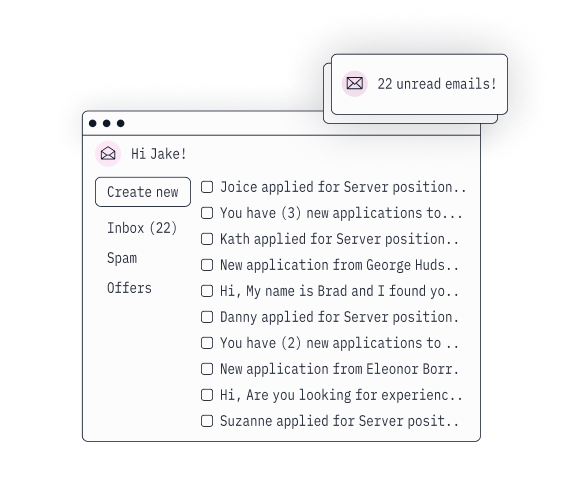
Most restaurants don’t struggle with getting applications. The issue is keeping up with the constant flow of candidates and finding the time to properly review them before opportunities are lost.
Applications come in throughout the day, but reviewing them rarely happens in a focused block of time. It happens between tasks, during slower moments, or at the end of a shift. That creates a fragmented screening workflow where decisions are rushed or delayed.
Over time, this leads to:
- Inconsistent evaluation across candidates
- Missed top candidates buried in volume
- Slower hiring decisions
- Increased pressure on already busy hiring managers
In high-turnover restaurants, these delays compound quickly. The longer it takes to screen candidates, the harder it becomes to maintain momentum in the hiring process.
AI Screening vs Manual Screening
The difference between manual and AI candidate screening becomes clear when looking at how each approach handles volume and decision-making.
Manual screening relies heavily on timing and individual judgment. When applications come in quickly, it becomes harder to maintain consistency and give each candidate proper attention.
AI candidate screening brings structure to that process. It allows hiring managers to evaluate candidates more evenly and focus their time on those who are most aligned with the role.
This becomes easier to manage when screening is part of a broader system like OneTeam where candidate evaluation and next steps are connected. It reduces the need to switch between tools and helps keep the process moving without added coordination.
What AI Candidate Screening Actually Means
At a practical level, AI candidate screening is about structuring how candidates are evaluated.
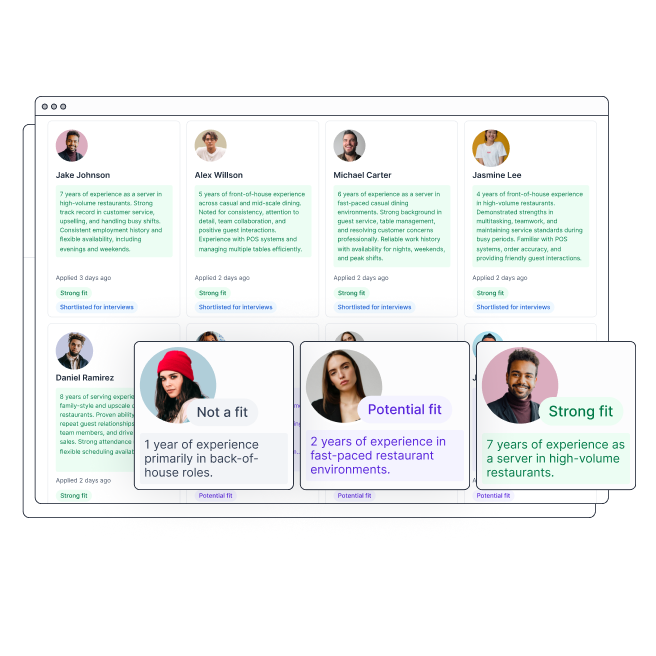
Instead of manually reviewing every application, an AI screening platform analyzes candidate data based on job descriptions, skills, and experience. It identifies which applicants are most aligned with the role and ranks them accordingly.
This doesn’t replace human judgment. It supports it.
Managers still make the final decision, but they are no longer starting from scratch. They are working from a shortlist of candidates who already meet key criteria. This approach allows teams to move from volume-based hiring to more focused, data-driven decisions.

Where AI Screening Fits in the Hiring Process
AI candidate screening sits at the point where applications turn into decisions.
After candidates apply, the screening stage determines who moves forward and how quickly that happens. When this step is manual, it often slows everything down. When it is structured, the rest of the hiring process becomes more predictable.
In practice, it connects directly to the next steps:
- Candidates are screened and ranked
- Top candidates move quickly to interviews
- Hiring managers spend less time filtering and more time evaluating
This makes screening one of the most important points in the hiring process, not just an early step.
How AI Candidate Screening Works
The process is straightforward and fits into existing hiring workflows. It begins with input.
Candidate applications, resumes, and job requirements are fed into the system. From there, the screening platform evaluates candidates based on predefined criteria. The workflow typically looks like this:
- Job requirements are defined based on the role
- Candidate data is collected from applications or resumes
- The system evaluates candidates based on skills, experience, and fit
- Candidates are ranked or scored
- Hiring managers review the top candidates
Everything happens in real time, which allows teams to move quickly from application to interview. Many platforms also integrate with tools like candidate screening software or ai hiring systems, making it easier to manage the full recruitment process in one place.
The Core Benefits of AI Candidate Screening
1. Faster Screening at Scale
Manual screening slows down as volume increases. AI screening tools allow restaurants to evaluate hundreds of applications instantly, without sacrificing consistency.
This reduces the time spent reviewing candidates and keeps the hiring process moving forward.
2. Improved Quality of Hire
When candidates are evaluated based on structured criteria, it becomes easier to identify those who are truly qualified.
Instead of relying on quick judgment calls, hiring managers can focus on candidates who match the role more closely. This leads to better hiring decisions over time.
3. Reduced Bias in Hiring
One of the challenges in manual screening is inconsistency. Different managers may evaluate candidates differently, especially under time pressure.
AI candidate screening applies the same criteria to all applicants, helping reduce variability in how candidates are assessed. While no system is perfect, structured evaluation helps limit bias introduced by rushed decisions.
4. Consistency Across Candidates
Consistency is difficult to maintain when hiring is reactive. With an AI screening workflow, every candidate is evaluated against the same job requirements. This reduces the need to revisit earlier decisions.
5. Better Use of Manager Time
Screening is necessary, but it does not require constant manual attention. By automating the initial review process, managers can focus on higher-value tasks like interviewing, assessing work styles, and making final hiring decisions.
This shift reduces administrative workload and keeps attention where it matters most.
What AI Looks for in Candidates
AI candidate screening evaluates more than just keywords on a resume. It considers a combination of factors that reflect how well a candidate matches the role, including:
- Relevant experience and past roles
- Role-specific skills and qualifications
- Availability and work preferences
- Alignment with job requirements
By looking at multiple factors together, the system creates a more complete view of each candidate. This makes it easier to identify top candidates who might otherwise be overlooked during manual review.
How AI Speeds Up Hiring Decisions
A candidate applies in the middle of a lunch rush. No one has time to review it. By the end of the shift, they’ve already moved on to another job. That’s where most hiring delays happen.
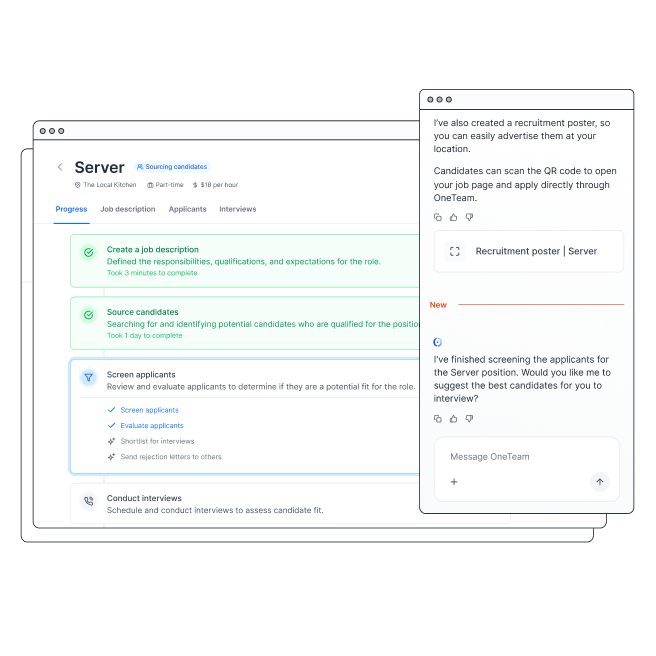
AI candidate screening removes that gap by keeping the process moving the moment someone applies. It accelerates decision-making by:
- Automatically shortlisting top candidates
- Providing real-time insights into candidate fit
- Reducing time spent on manual filtering
- Allowing faster progression to interviews
When candidates move through the screening process quickly, the entire hiring process becomes more efficient. This directly reduces time-to-hire and keeps candidates from dropping off before you can act.
It also improves the candidate experience by reducing wait times and keeping communication consistent throughout the process. This becomes easier to manage when screening, communication, and scheduling are handled within the system.
How Hiring Decisions Change
You’re not staring at a stack of applications anymore, trying to figure out where to start. The shortlist is already there.
Decisions feel less rushed because the initial filtering is already done. Screening no longer begins with a long list of applicants. It starts with a smaller group of candidates who already meet the core requirements. That makes it easier to compare candidates, prioritize interviews, and make decisions with more confidence.
It also cuts down on repeated work. Once candidates are screened and ranked, managers don’t have to go back and re-review the same applications or chase missing information. The focus shifts to evaluating the right people and moving quickly when someone stands out.
When It Makes the Biggest Impact
AI screening becomes especially valuable in situations where speed and scale matter. This includes:
- High-volume hiring in restaurants or hospitality
- Seasonal hiring spikes
- Expanding teams across multiple locations
- Roles that need to be filled quickly
In these scenarios, manual screening becomes a bottleneck. AI removes that constraint.

How to Use AI Candidate Screening (Step-by-Step)
To get the most out of Automated candidate screening, the process needs to be clear and intentional.
- Define what a strong candidate looks like
- Input clear job descriptions and requirements
- Allow the system to screen and rank candidates
- Review the top matches
- Move quickly to interviews
- Adjust criteria based on results
The goal is not to automate everything blindly. It is to create a structured process that improves over time.
Best Practices for Strong Results
AI screening works best when paired with clear inputs and oversight. To improve outcomes:
- Be specific when defining job requirements
- Combine AI insights with human judgment
- Regularly review how candidates are being evaluated
- Keep candidate experience in mind
- Maintain a structured hiring process
These practices ensure the system remains aligned with real hiring needs.
Common Mistakes to Avoid
Even strong systems can fall short if the setup isn’t clear. The biggest issue is relying too heavily on automation without reviewing outcomes. AI will follow whatever criteria you give it, so if job descriptions are vague, the results will be too.
Other common gaps show up in how candidates are evaluated:
- Overlooking soft skills and work styles that matter on the floor
- Failing to communicate clearly with candidates during the process
- Not tracking which hires actually perform well over time
The goal is not to remove human judgment. It’s to support it with a better structure. Teams that revisit and refine their screening approach consistently see stronger results.

Real-World Impact on Restaurant Hiring
The difference shows up quickly once screening becomes more structured. Instead of working through every application, managers start with a focused group of qualified candidates. That shift changes how time is spent and how quickly decisions happen.
In practice, it looks like this:
- Interviews get scheduled sooner
- Fewer candidates fall through the cracks
- Hiring decisions feel more consistent across roles.
This makes it easier to maintain the same hiring standards across different locations and managers.
The Future of Screening in Hiring
Screening is becoming more structured across industries. As AI tools continue to evolve, the focus is shifting toward faster evaluation, better matching, and more consistent decision-making. At the same time, human judgment remains critical in final hiring decisions.
The balance between automation and human input will define how hiring continues to improve. Systems like OneTeam reflect this shift by bringing more structure to screening while still keeping hiring decisions in the hands of managers.
FAQ


No setup fees.
No long-term commitment.
Create your account and start hiring.
