
Most Important Features to Look for in Restaurant Staffing Software
TL;DR:
Restaurant staffing software works best when it solves restaurant-specific problems like high turnover, shift scheduling, reactive hiring, and front-of-house or back-of-house staffing gaps. The right platform should help operators hire faster, manage employees more efficiently, reduce manual work, and support daily restaurant operations without adding unnecessary complexity.

Helgi



Restaurant hiring moves fast. A strong candidate can apply, interview elsewhere, and accept another offer within hours, not days. For many restaurants, the biggest staffing challenge is not attracting applicants. It is managing the hiring process quickly enough to keep qualified candidates engaged.
Restaurant operators are balancing service, shift coverage, employee call-outs, and daily operations while trying to review applications, schedule interviews, and fill open roles. When hiring systems are slow or disorganized, managers lose valuable time, existing staff absorb more pressure, and staffing shortages become harder to control.
Why the Right Restaurant Staffing Software Matters
Many restaurant hiring processes break down after a candidate applies. Delayed follow-ups, manual scheduling, resume backlogs, and inconsistent communication can slow hiring enough for strong applicants to move on.
The right restaurant staffing software helps remove these bottlenecks. Features like automated screening, interview scheduling, applicant tracking, and faster communication can significantly improve hiring speed while reducing manager workload. Choosing software built for the pace of restaurant operations can help restaurants improve staffing consistency, reduce burnout, and maintain stronger long-term teams.
Fast Hiring Features That Actually Matter in Restaurants
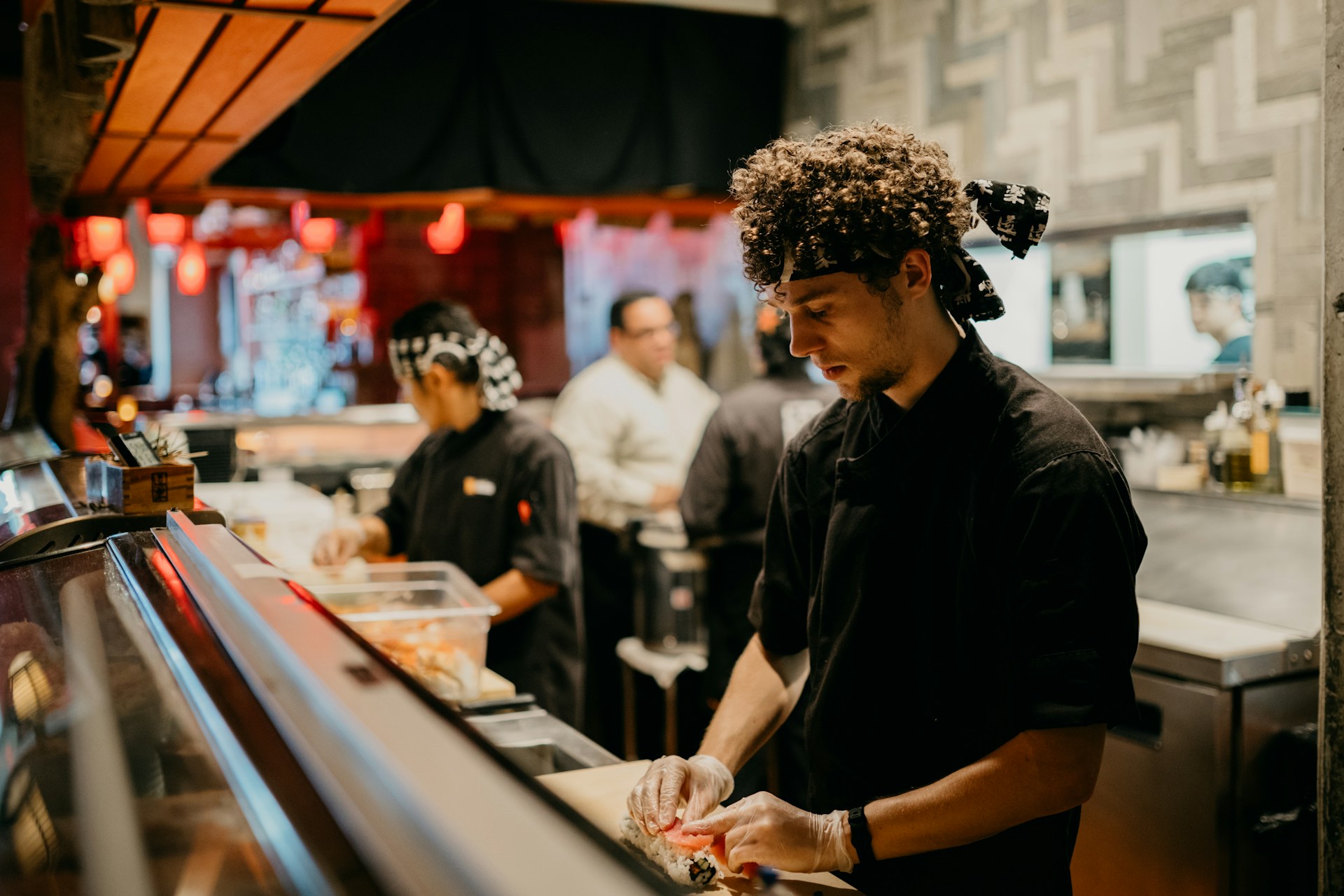
Restaurant staffing software should first solve the most immediate problem many operators face: hiring speed. In restaurants, open roles do not sit quietly for weeks. A missed hire can quickly turn into slower service, staff burnout, reduced capacities, or managers covering shifts themselves.
This is where many generic platforms fall short. Traditional hiring software often focuses heavily on long recruiting pipelines, but restaurant operators usually need faster action for hourly roles, front-of-house openings, and back-of-house replacements. Restaurants trying to hire restaurant staff fast and efficiently need systems built for speed, not drawn-out corporate recruiting processes.
Prioritize staffing software that helps with:
- Fast job posting for multiple restaurant jobs
- Mobile-friendly applications for hourly workers
- Automated interview scheduling
- Immediate applicant communication
- AI candidate screening tools that reduce resume overload
These features matter because restaurant hiring is often reactive. Managers are rarely hiring months ahead. They are hiring because someone quit, no-showed, or expansion created immediate labor gaps.
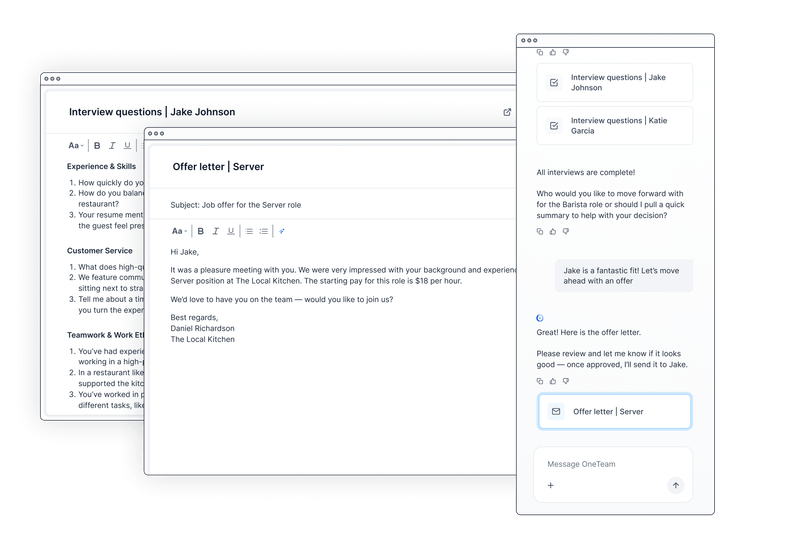
For restaurants dealing with constant turnover, this is where platforms like OneTeam AI Hiring Assistant can become especially relevant. As an Application Tracking System built for restaurant hiring speed, it can help operators reduce resume overload, move candidates faster, and spend less time buried in manual hiring tasks.
Why speed protects operations
Every extra day a key role stays open can create pressure across the business:
- Front-of-house shortages can hurt customer service
- Kitchen staff shortages can slow ticket times
- Managers lose floor time handling interviews
- Existing teams absorb more burnout
For restaurants managing multiple locations, this compounds quickly.
Scheduling and Shift Management Features That Keep Restaurants Running
A fast hire means little if scheduling still falls apart by Friday. For most restaurant operators, employee scheduling is where staffing software either becomes operationally valuable or turns into another disconnected tool.
Restaurants do not run on static schedules. Call-outs happen, rushes change staffing needs, shift swapping becomes constant, and labor costs can climb quickly when schedules are built manually. That is why scheduling software is one of the most important features to evaluate.
The right platform should help managers create schedules faster while giving restaurant staff enough flexibility to reduce no-shows and communication breakdowns.
Key scheduling features to prioritize:
- Employee scheduling by role, shift, or location
- Shift swapping without manager bottlenecks
- Mobile accessibility for instant schedule updates
- Real-time availability tracking
- Labor law and overtime awareness
- Tracking labor costs as schedules change
These features matter because scheduling is often one of the biggest drivers of both retention and operational consistency.
Why scheduling software directly affects turnover
Poor scheduling systems often create avoidable staffing problems, including:
- Last-minute call-outs
- Scheduling conflicts
- Overtime surprises
- Front-of-house understaffing
- Burnout from uneven shift distribution
The strongest restaurant staffing software should not stop at hiring. It should support what happens after the hire, when managing schedules efficiently often determines whether employees stay, burn out, or leave.

Automation and Integration Features That Save Managers Time
Restaurant staffing software should not just help restaurants hire or schedule better. It should also reduce the manual work that keeps managers stuck behind screens instead of running the service.
If managers still have to manually sort applications, update schedules across multiple systems, re-enter employee information, or bounce between payroll and staffing tools, the software may create more work instead of less.
Key automation features that matter:
- Automated interview scheduling
- Real-time applicant updates
- Reduced manual data entry
- Centralized employee information
- Cross-location staffing visibility
- Automated reminders for interviews or shift updates
Why integration matters in restaurant operations
Restaurants often juggle hiring, scheduling software, payroll, and point of sale POS systems all at once. When these systems do not work together, managers lose time duplicating tasks and correcting avoidable mistakes.
Important integrations may include:
- Point of sale POS
- Payroll systems
- HR tools
- Employee scheduling platforms
- Labor cost tracking
For restaurant management, reducing the risk of disconnected systems can improve speed, labor visibility, and daily decision-making.
How to Choose Restaurant Staffing Software That Actually Fits Your Restaurant
Not every restaurant needs the same staffing software, and one of the biggest mistakes operators make is choosing based on feature overload instead of operational fit. More tools do not automatically mean better restaurant management.
Restaurant operators should evaluate software based on how well it supports their actual workflow, not generic HR promises. A platform may offer dozens of features, but if it slows hiring, complicates employee scheduling, or creates more manual work, it can quickly become another burden.
Start with your real staffing pressure points
Before investing, operators should ask:
- Are we hiring frequently due to turnover?
- Do managers spend too much time reviewing resumes?
- Are scheduling conflicts creating no-shows?
- Do we need better shift swapping or mobile accessibility?
- Are multiple locations making staffing harder to manage?
The right answer often depends less on software size and more on whether it helps manage employees faster and more effectively.
Prioritize practicality over feature overload
The strongest restaurant staffing software should improve daily operations in practical ways:
Look for:
- Fast hiring for hourly restaurant staff
- Scheduling software that works in real time
- Mobile-friendly communication
- Labor tracking
- Automation that reduces repetitive admin work
Be cautious of:
- Generic corporate HR tools
- Complicated onboarding
- Features your managers will not actually use
- Systems that require too much data entry
For restaurant operators, reducing the risk of wasted time often matters more than buying the platform with the longest feature list.
Software should support growth
As restaurants expand locations or hiring volume, staffing systems should scale without forcing managers to rebuild processes from scratch.
This is why many operators begin looking at restaurant-specific platforms like OneTeam. Instead of broad software built for every industry, restaurant-focused systems can better support high-volume hiring, faster staffing decisions, and operational simplicity in ways that match hospitality workflows.
Before choosing restaurant staffing software, ask:
- Does it speed up hiring?
- Does it simplify scheduling?
- Is it easy for managers to use?
- Can it support multiple locations?
For busy operators, the goal is simple: choose software that fits how your restaurant actually runs, helps staffing in restaurants become easier, and supports stronger long-term stability.
.png)
The Best Restaurant Staffing Software Should Make Operations Easier
Restaurant staffing software should match the speed, pressure, and daily realities of running a restaurant. The right platform should help managers move faster, reduce hiring and scheduling friction, and support stronger staffing decisions without adding more complexity.
For restaurant operators, the best software is rarely the one with the most features. It is the one that fits how restaurants actually hire, schedule, and manage employees while making the floor easier to run.
FAQ


No setup fees.
No long-term commitment.
Create your account and start hiring.
